
THE ART OF HOME STAGING: DESIGNING FOR EMOTION, NOT JUST THE SALE
In today’s property market, buyers aren’t just purchasing square metres or bedroom counts; they’re buying a feeling. The most successful home staging doesn’t shout for attention or overwhelm with trends. Instead, it works quietly in the background, creating a sense of calm, warmth and belonging the moment someone walks through the door.
At SOJO, we stage homes with one core belief: emotion sells. When a home feels right, buyers stay longer, connect faster, and imagine themselves living there, and that emotional connection is what ultimately drives stronger offers.
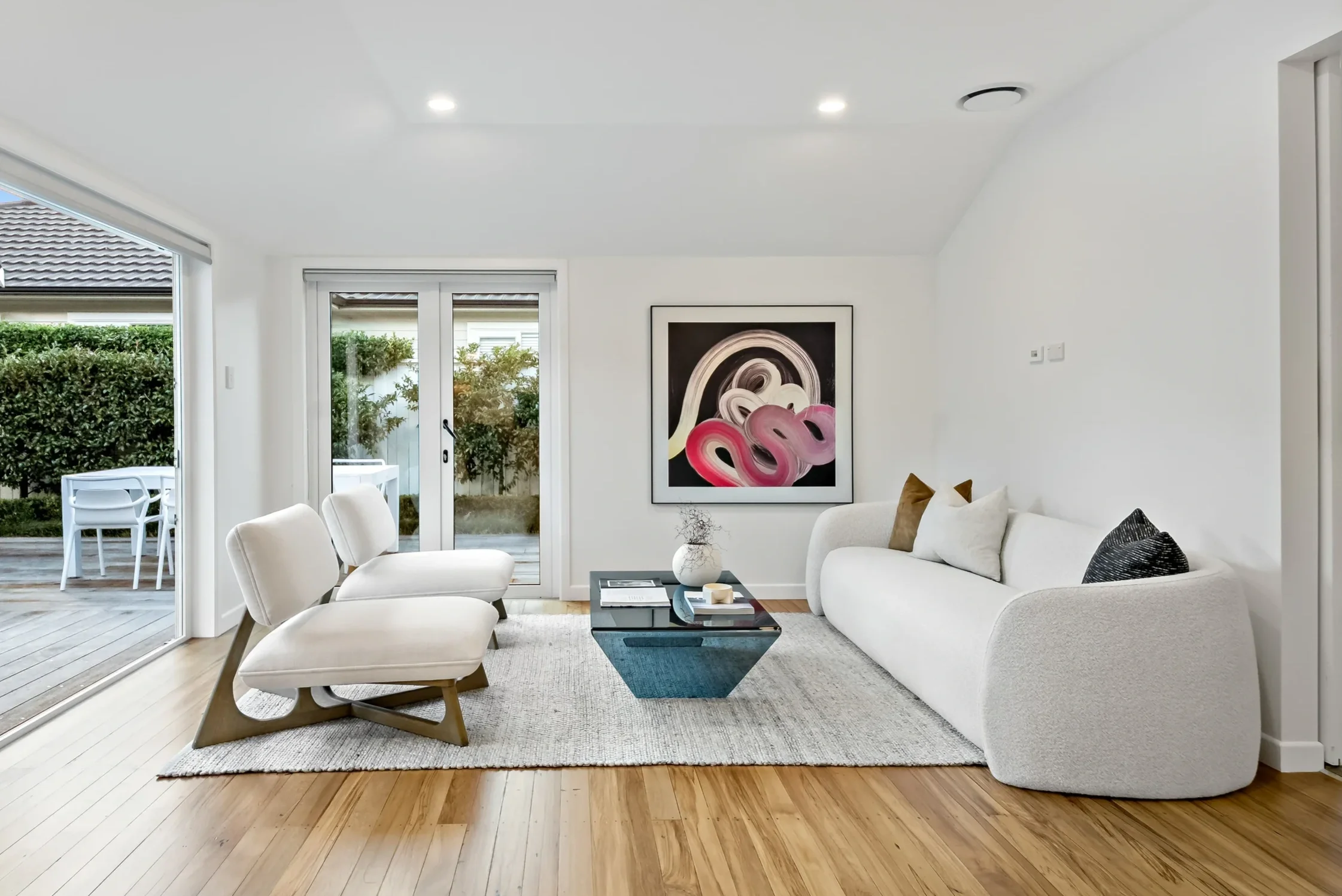
Designing for Flow: Guiding the Buyer Experience
Flow is one of the most underestimated elements of home staging. It’s not just about furniture placement; it’s about how someone moves through a space and how effortlessly each room connects to the next.
A well-staged home should feel intuitive. Entryways lead naturally into living areas, furniture defines zones without closing them off, and sightlines remain open and inviting. When flow is considered carefully, buyers don’t feel distracted or confused; they feel comfortable. That ease translates into confidence, and confidence leads to action.
The Power of Restraint in Luxury Staging
One of the biggest misconceptions in staging is that more styling equals more value. In reality, the opposite is often true.
Restraint allows architecture, light and proportion to shine. By editing back excess furniture and décor, we create space for the home to breathe. Each piece is intentional, considered for scale, texture and tone. This quiet approach feels elevated and timeless, allowing buyers to focus on the home itself rather than the styling.
Restraint is what separates luxury staging from cluttered presentation.
Creating Warmth Buyers Can Feel
A staged home should never feel cold or untouchable. Warmth is essential, especially in high-end homes, because buyers need to emotionally relax before they can connect.
We introduce warmth through layered neutrals, natural textures and soft contrasts. Think linen and boucle, timber and stone, gentle curves balanced with clean lines. Lighting is equally important: soft, ambient lighting helps spaces feel welcoming and lived-in, even during daytime viewings.
Lifestyle Storytelling: Helping Buyers Imagine Themselves There
Great staging tells a story without being literal. It suggests a lifestyle rather than dictating one.
A styled dining table hints at effortless entertaining. A reading nook suggests slow mornings and quiet evenings. A bedroom feels like a retreat rather than just a place to sleep. These subtle cues help buyers mentally place themselves into the space, turning rooms into experiences rather than empty shells.
When buyers can imagine their life unfolding in a home, the decision becomes emotional, not just rational.
Final Thoughts
Home staging is not about decorating for decoration’s sake. It’s about understanding human behaviour, emotion and perception — and using design to influence how a space is experienced.
When done well, staging doesn’t just help sell a home. It helps buyers fall in love with it.