
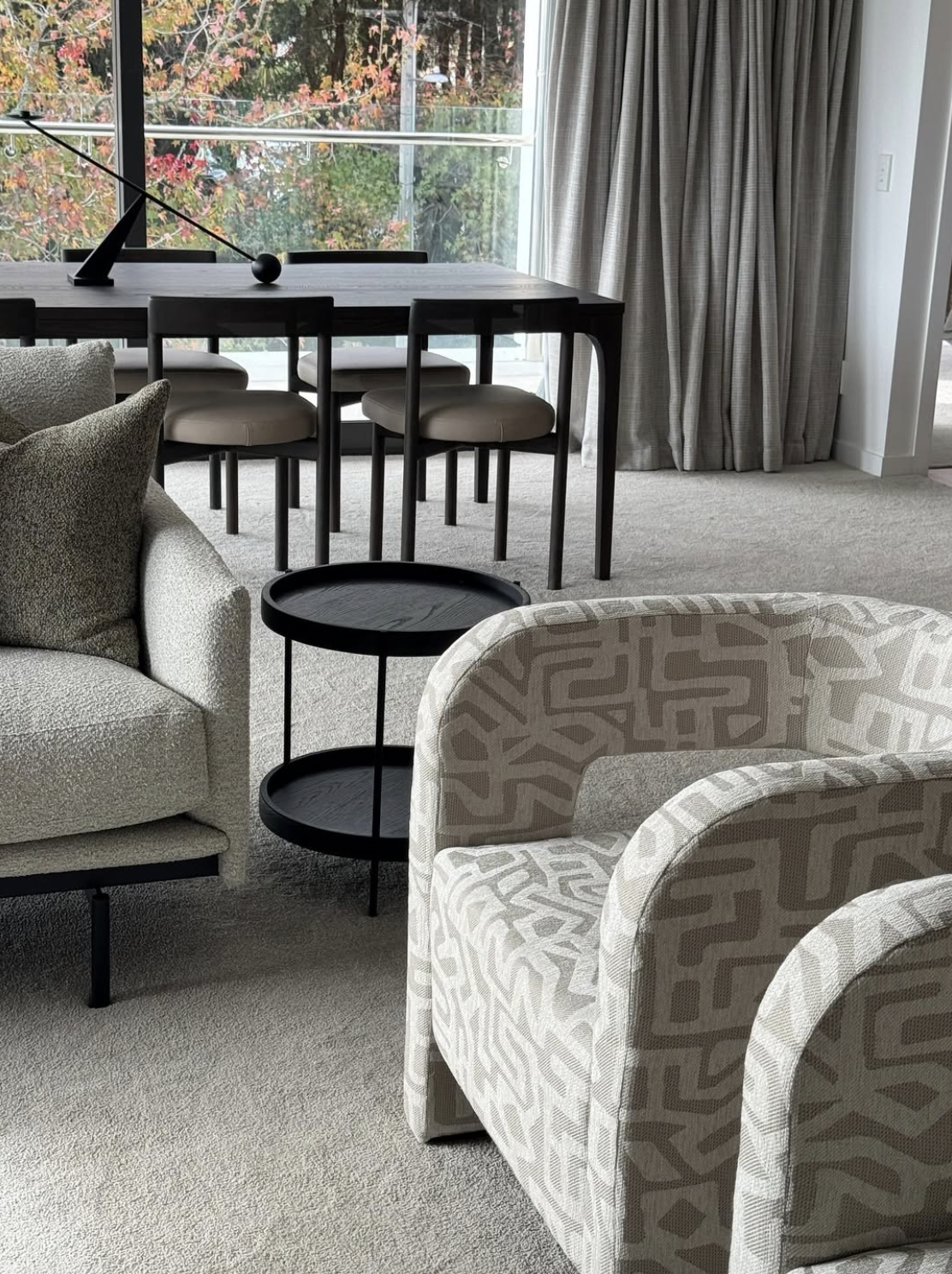
When designing a home, flooring is often one of the most important yet underestimated decisions. Carpet, in particular, plays a significant role in shaping the overall look and feel of a space. Because it covers such a large surface area, the colour you choose can influence everything from how large a room feels to how cohesive your interior design appears.
Selecting the perfect carpet colour is about more than just personal preference; it’s about creating balance within your interior while considering light, space, and the materials surrounding it.
Light vs Dark Carpet
One of the first decisions homeowners face is whether to choose a light or dark carpet.
Light carpets are a popular choice in modern interiors as they create a sense of openness and brightness. Soft tones such as warm beige, cream, sand, or light taupe can make a room feel larger and more airy. These colours also reflect natural light, helping to enhance the overall sense of space.
Dark carpets, on the other hand, add depth and contrast. Rich tones such as charcoal, mocha, or deep taupe can create a more grounded, sophisticated atmosphere. Darker carpets tend to work well in larger rooms or spaces where you want to introduce a sense of warmth and luxury.
Ultimately, the choice between light and dark carpet depends on the mood you want to create and how the flooring interacts with the rest of the interior.
The Power of Neutral Palettes
Neutral carpet tones continue to dominate modern interior design. A neutral palette provides a timeless foundation that allows other elements within the space, such as furniture, artwork, and textures.
Colours such as soft beige, warm taupe, oatmeal, and light grey are versatile choices that complement a wide range of design styles. Neutral carpets also tend to age better visually, meaning your home will feel fresh and contemporary for longer.
By keeping the flooring neutral, it becomes easier to update the look of a room over time with different furnishings or styling choices without needing to replace the carpet.
Pairing Carpet with Wall Colours
Achieving harmony between your carpet and wall colour is essential for creating a cohesive interior.
If your walls are painted in light tones, selecting a carpet in a similar palette can create a seamless, calming environment. Slight variations in shade help add subtle contrast while maintaining a soft, layered aesthetic.
Alternatively, pairing lighter carpets with slightly deeper wall tones can introduce depth and dimension to the space without overwhelming it.
The key is to ensure that the undertones work together. Warm carpets typically pair best with warm wall colours such as soft creams, warm whites, and earthy neutrals, while cooler carpets complement greys and cooler-toned palettes.
Making Rooms Feel Larger
Carpet colour can have a surprisingly powerful effect on how spacious a room feels.
Lighter carpets tend to visually expand a space by reflecting light and softening the boundaries between floor and walls. This makes them particularly effective in smaller bedrooms or apartments where maximising the feeling of openness is important.
Another helpful design technique is maintaining a consistent carpet colour throughout multiple rooms. Using the same flooring across bedrooms and hallways helps create visual continuity, making the home feel larger and more connected.
In contrast, very dark carpets or high contrast transitions between rooms can sometimes make spaces feel more segmented.
A Timeless Foundation for Your Interior
Carpet is one of the foundational elements of a home’s interior design. The colour you choose will influence how the entire space feels, from the warmth underfoot to the visual balance within the room.
By considering factors such as light versus dark tones, neutral palettes, and how the carpet interacts with wall colours, you can select a flooring option that enhances both the functionality and aesthetic of your home.
When chosen thoughtfully, the right carpet colour creates a soft, timeless foundation that brings comfort, cohesion, and understated elegance to any interior.