
HOW TO MIX METALS IN INTERIOR DESIGN
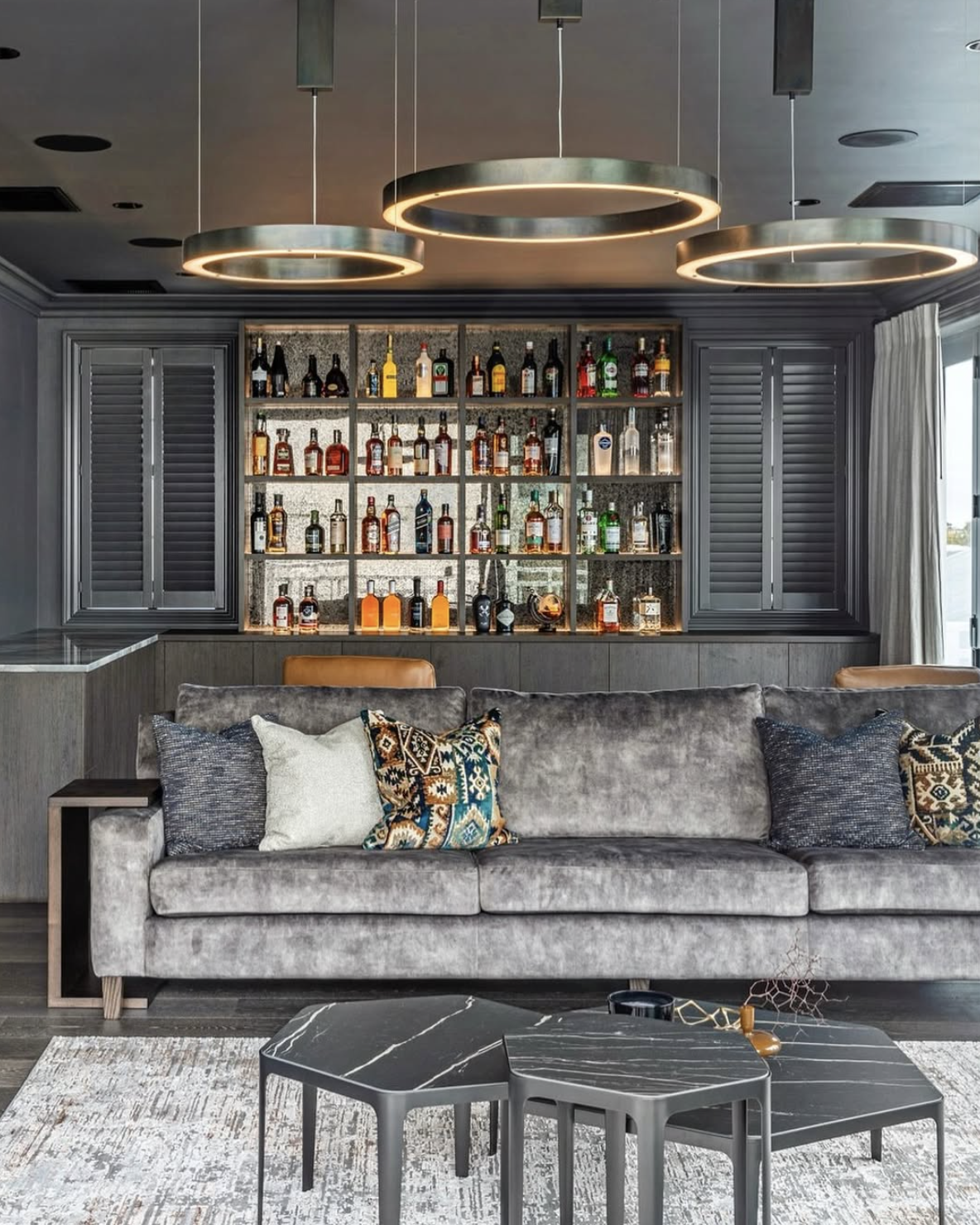
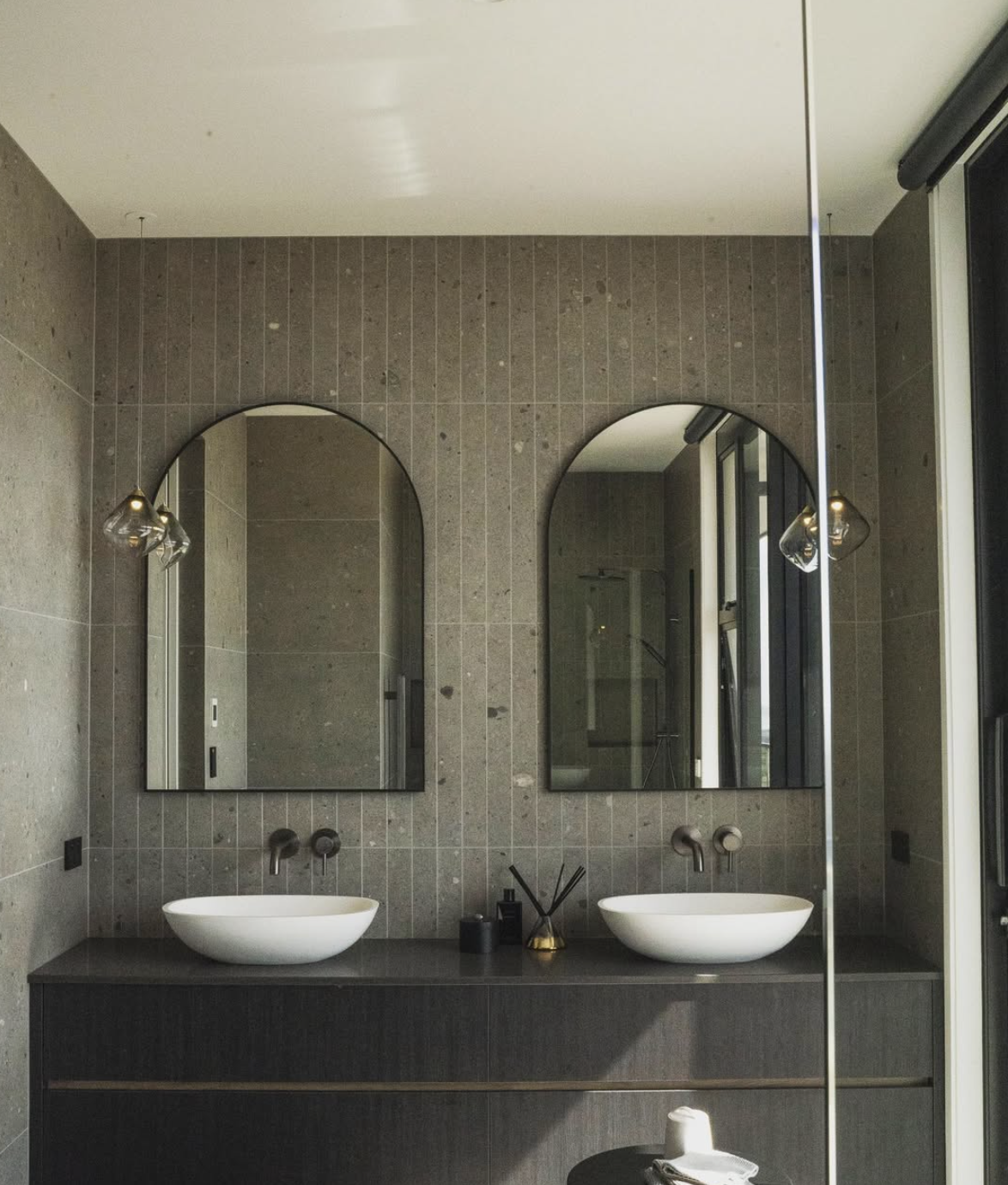
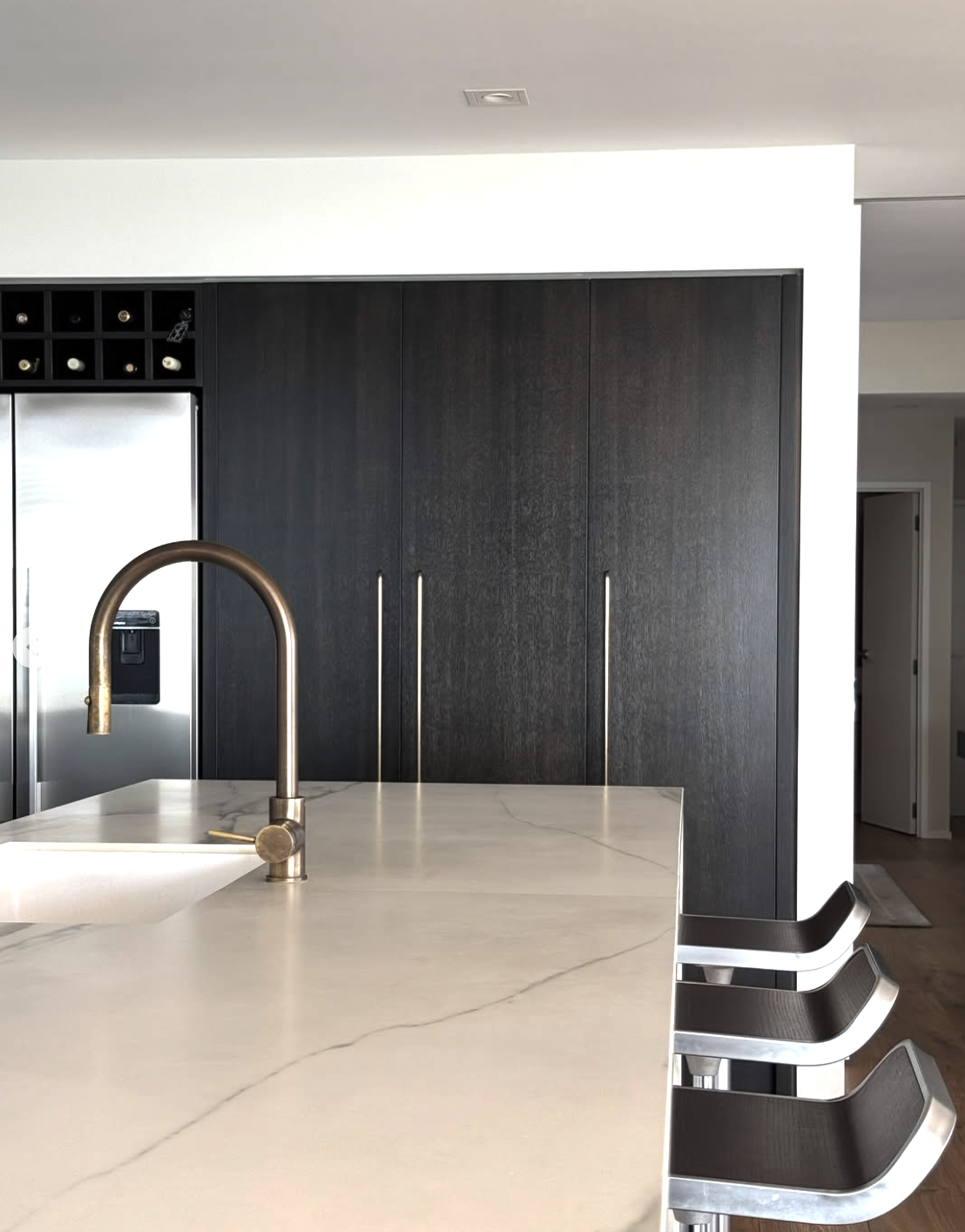
Mixing metals in interior design has become one of the most effective ways to create a layered, sophisticated space. While interiors once leaned heavily on matching finishes, all chrome, all brass, or all black, modern design embraces contrast and combination. When done well, mixing metals adds depth, character and a sense of thoughtful curation.
The key is balance. Just like colour palettes or textures, metal finishes work best when they complement each other rather than compete.
Start With a Dominant Metal
The easiest way to mix metals successfully is to choose one dominant finish and use others as accents. This creates cohesion and prevents a space from feeling visually chaotic.
For example, if brushed brass is the primary metal in a kitchen or bathroom, you might use it for tapware and cabinetry hardware. From there, secondary metals such as matte black or polished nickel can appear in lighting fixtures, mirror frames or smaller decorative elements.
Having one consistent metal throughout a room helps anchor the design while still allowing flexibility with other finishes.
Pair Warm and Cool Tones
Metals generally fall into two categories: warm and cool tones.
Warm metals include finishes such as brass, gold, copper and bronze. These tones tend to create a sense of warmth and softness within a space. Cool metals, like chrome, stainless steel, and nickel, feel crisper and more modern.
Combining warm and cool metals can create a beautiful contrast. For example, brushed brass cabinet handles paired with stainless steel appliances or a polished nickel tap can bring a balanced and layered look to a kitchen.
The contrast works best when it feels intentional rather than random.
Repeat Finishes for Cohesion
When mixing metals, repetition is essential. If a particular finish appears only once, it can feel accidental or out of place. Instead, try repeating each metal finish at least two or three times within the space.
For instance, if you introduce black metal in a kitchen through pendant lights, you might repeat that finish in cabinet handles or bar stool frames. This subtle repetition helps tie the design together and creates a sense of rhythm throughout the room.
Consider the Overall Style of the Home
The metals you choose should also reflect the style of the interior. Softer finishes like brushed brass or aged bronze often suit organic or contemporary interiors, while polished chrome and stainless steel can complement more modern or minimalist spaces.
In many of our projects at SOJO Design, we like to pair natural materials such as timber, stone and linen with warmer metal finishes. These combinations help create interiors that feel elevated yet relaxed.
Use Texture to Your Advantage
Mixing different textures can make a combination feel more refined. For example, pairing a matte black light fixture with brushed brass tapware and a polished nickel mirror frame introduces subtle variation without overwhelming the space. The change in texture adds depth while still feeling cohesive.
Keep It Simple
The final rule when mixing metals is not to overcomplicate things. In most spaces, two or three finishes are enough to create visual interest while maintaining harmony.
Too many different metals can make a room feel cluttered and disjointed. By keeping the palette limited and intentional, the result feels curated rather than chaotic.
Creating a Layered Interior
Mixing metals is ultimately about creating balance and dimension within a space. When thoughtfully combined, metal finishes can elevate an interior and add a sense of subtle luxury.
Rather than matching everything perfectly, embracing a mix of finishes allows interiors to feel more natural, layered and lived-in, which is often where the most beautiful designs come to life.