
THE POWER OF VISUAL FLOW IN INTERIOR DESIGN
A beautifully designed space is about more than just selecting the right furniture, colours, and finishes. One of the most important yet often overlooked elements of great design is visual flow.
Visual flow is what allows your eyes to move naturally throughout a space. It's the reason some interiors feel effortless, balanced, and inviting, while others can feel disconnected or overwhelming. At Sojo Design, creating visual flow is a key part of every project because it helps a home feel cohesive, comfortable, and thoughtfully considered.
What Is Visual Flow?
Visual flow refers to the way design elements work together to guide the eye through a space. It creates a sense of continuity between rooms and helps every area feel connected to the next.
Rather than focusing on individual pieces, visual flow looks at the bigger picture. It's about how colours, materials, shapes, proportions, and layouts interact to create a seamless experience throughout a home.
When visual flow is done well, a space feels intuitive. Nothing feels out of place, and every design decision supports the overall vision.
Why Visual Flow Matters
A home with strong visual flow feels larger, calmer, and more inviting. It allows people to move through the space comfortably while creating a sense of harmony.
Without it, even a beautifully furnished room can feel fragmented. Competing styles, abrupt colour changes, or inconsistent materials can interrupt the experience and make a space feel less cohesive.
Visual flow doesn't mean every room should look identical. In fact, the most interesting homes have variation and personality. The goal is simply to ensure that each space relates to the next in a meaningful way.
Consistent Colour Palettes
One of the easiest ways to establish flow is through colour. Repeating tones throughout a home helps create continuity, even when rooms serve different purposes.
This doesn't mean using the same colour everywhere. Instead, we often work with a complementary palette that carries throughout the home, allowing each space to feel connected while maintaining its own identity.
Repetition of Materials
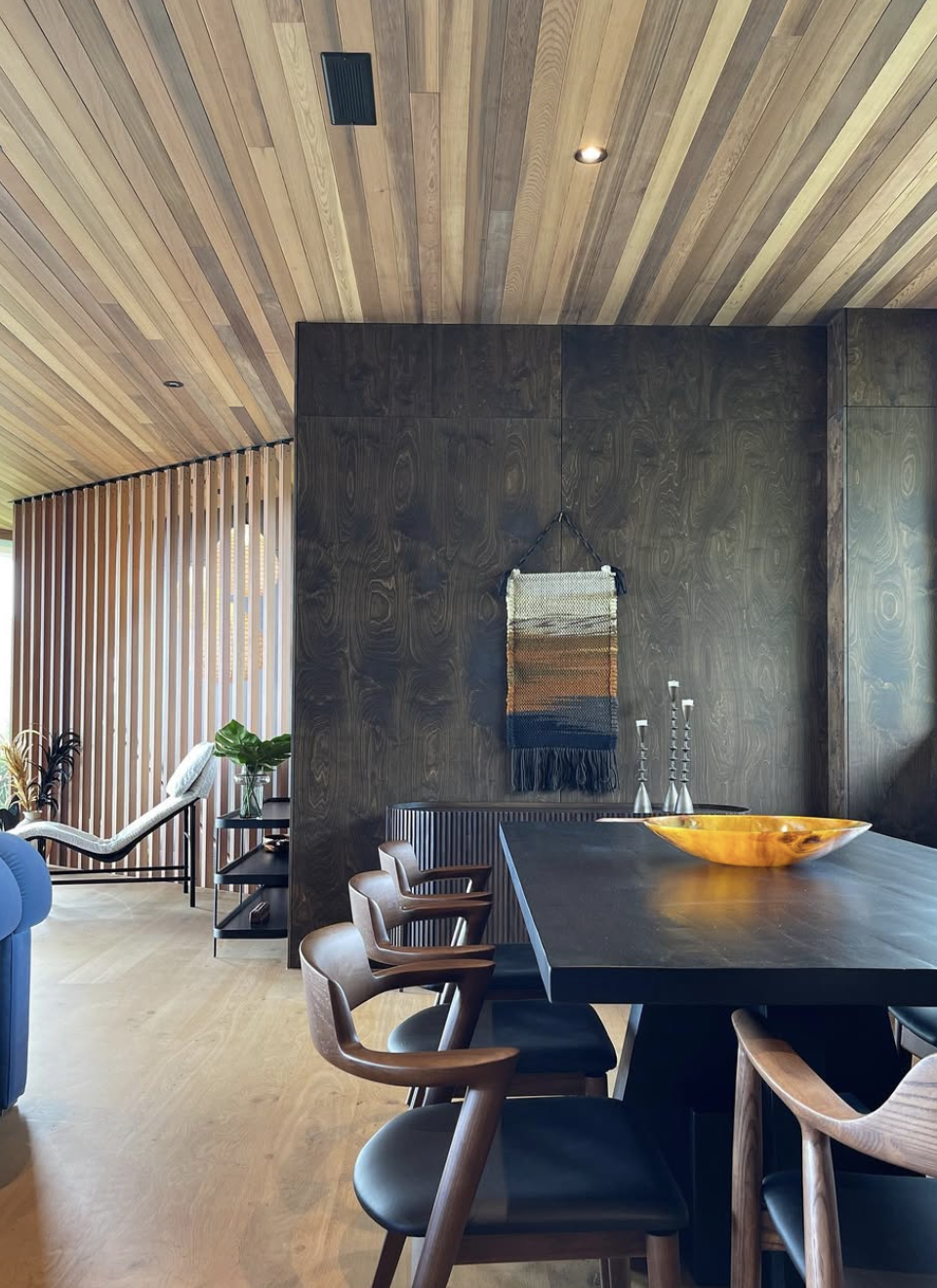
Natural materials such as timber, stone, linen, and wool create a sense of consistency when used thoughtfully throughout a home.
Repeating materials across different rooms helps tie spaces together and creates a more considered overall design.
Thoughtful Furniture Placement
Furniture should support the way people move through a space. We carefully consider circulation paths, sightlines, and scale to ensure rooms feel open and easy to navigate.
A well-planned layout naturally guides the eye and enhances the overall experience of the home.
Creating Visual Connections
Sometimes visual flow is created through small details. Repeating a shape, texture, finish, or design feature can subtly connect different areas without making them feel repetitive.
These details may not be consciously noticed, but they contribute significantly to how a space feels.
Visual Flow in Home Staging
Visual flow is particularly important when preparing a property for sale. Buyers often form an impression of a home within moments of entering, and a cohesive environment helps them feel comfortable and connected to the space.
Through carefully selected furniture, styling, artwork, and accessories, we create a sense of continuity that allows buyers to focus on the home's potential rather than being distracted by inconsistencies.
The Sojo Approach
At Sojo, we believe the best interiors are the ones that feel effortless. Behind that effortless feeling is a thoughtful design process that considers how every room relates to the next.
Visual flow is what transforms a collection of beautiful pieces into a truly cohesive home. It creates balance, enhances functionality, and ultimately helps a space feel more inviting to live in and experience.
When every element works together, the result is a home that not only looks beautiful but feels right.