
THE FIFTH WALL: WHY CEILINGS DESERVE MORE ATTENTION
When designing a home, most attention is naturally drawn to the walls, flooring, furnishings and decorative elements that exist at eye level. Yet one of the most influential design features is often overlooked, the ceiling entirely.
Sometimes referred to as the "fifth wall", the ceiling has a remarkable ability to shape the atmosphere, scale and character of a space. Whether consciously noticed or not, it plays a significant role in how a room feels, influencing everything from light and proportion to comfort and architectural interest.
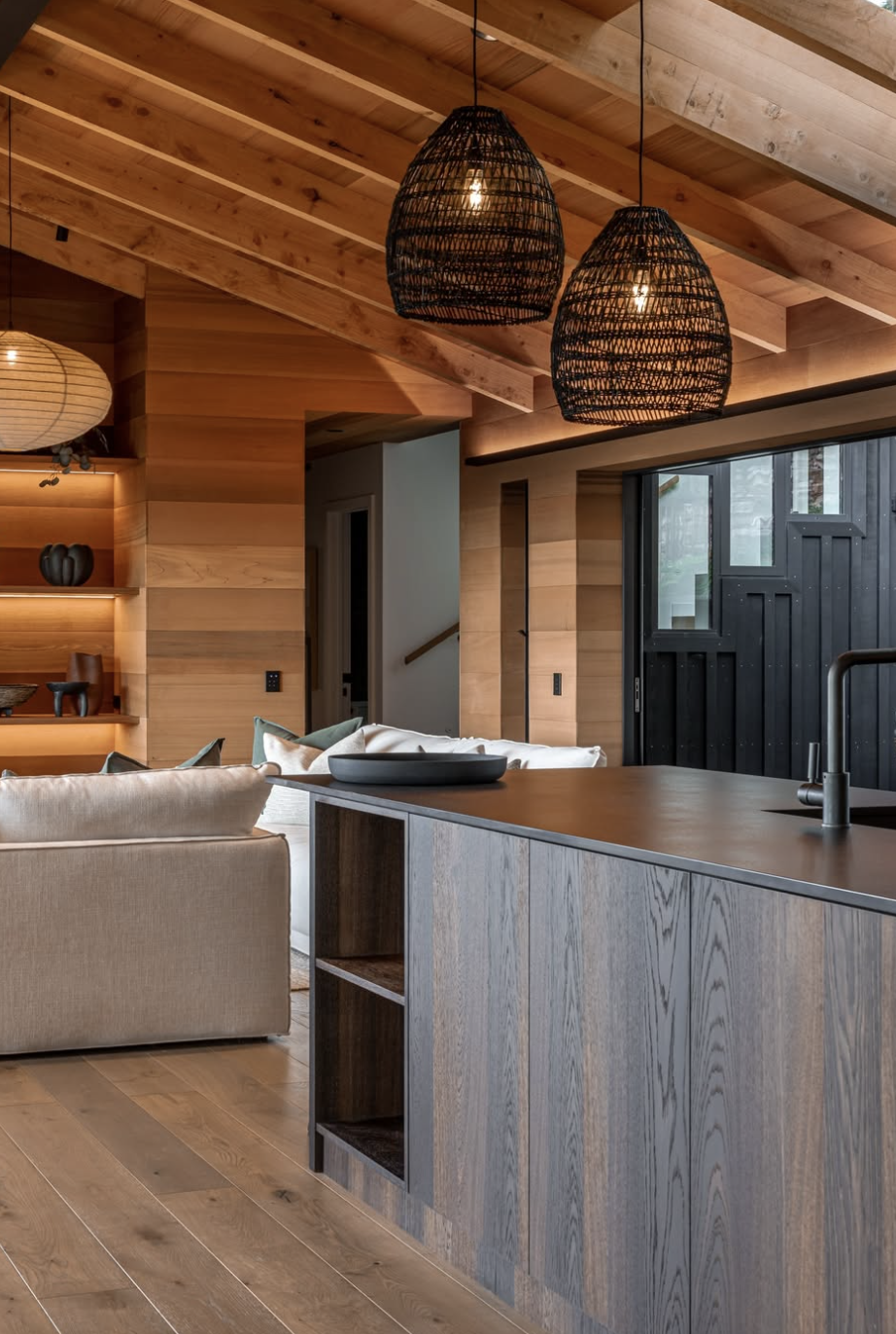
The Impact of Ceiling Height
Few architectural elements affect our perception of space as dramatically as ceiling height. Higher ceilings tend to create a sense of openness, grandeur and freedom, allowing natural light to travel further and making rooms feel larger than their footprint may suggest.
Conversely, lower ceilings can create a feeling of intimacy and warmth when designed thoughtfully. In spaces such as bedrooms, libraries or media rooms, a slightly lower ceiling can encourage a greater sense of comfort and enclosure, making the room feel inviting rather than restrictive.
The key is understanding how ceiling height influences the intended function and mood of each space.
Architectural Detail Adds Character
A ceiling doesn't have to be flat and featureless. Subtle architectural detailing can transform it from a background element into an integral part of the design.
Features such as exposed beams, timber linings, coffered ceilings, shadow lines, ceiling battens and decorative mouldings can add texture, rhythm and visual interest. Even minimal detailing can help define a home's architectural identity and create a more layered, considered interior.
These elements often work quietly in the background, yet contribute significantly to the overall feeling of quality and craftsmanship within a home.
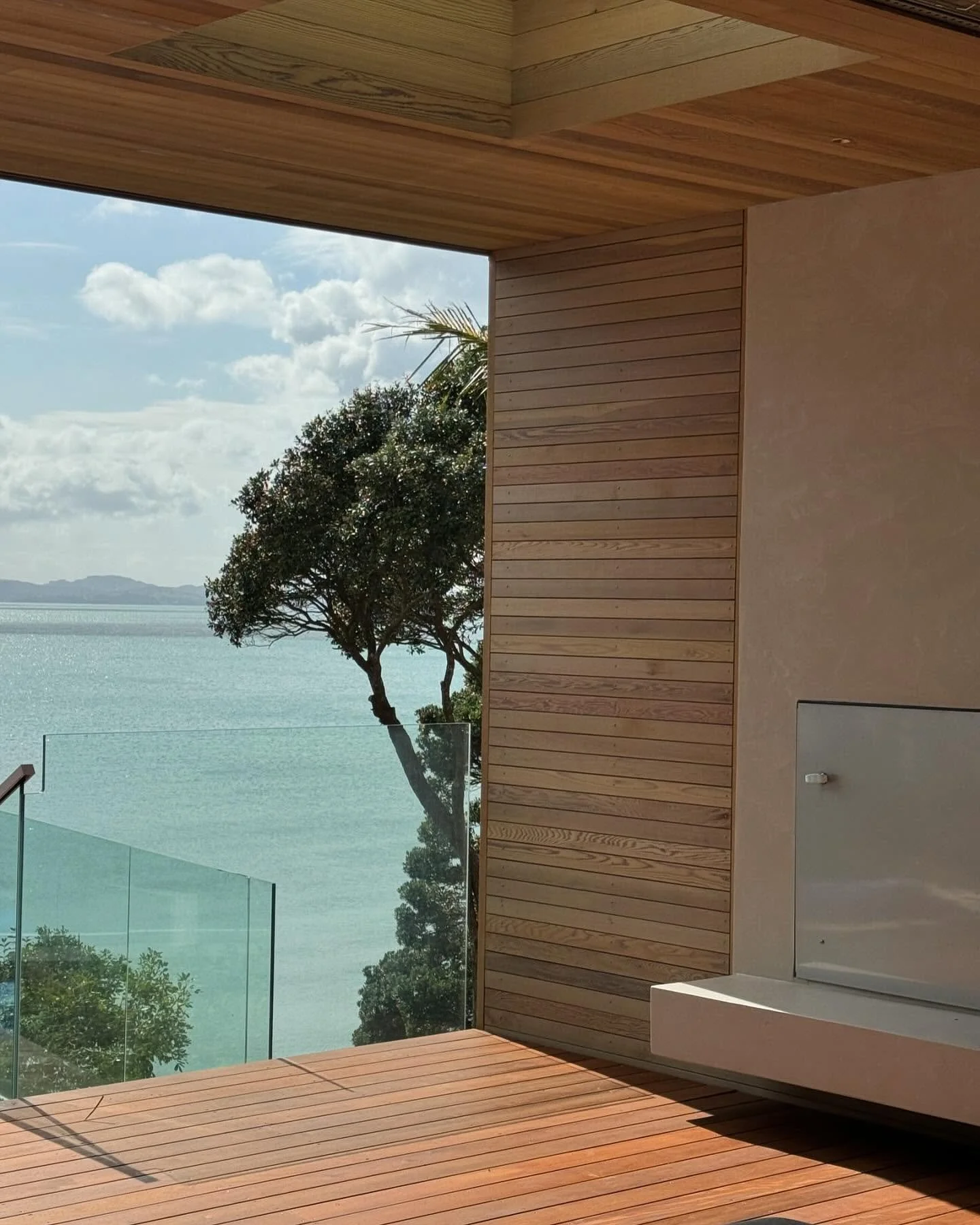
Colour Beyond the Walls
While ceilings are traditionally painted white, this isn't the only option. Colour can be a powerful tool when applied thoughtfully overhead.
A ceiling painted in the same tone as the walls can create a cocooning effect, blurring boundaries and making a room feel more cohesive. Deeper tones can add drama and intimacy, while softer shades can enhance warmth and atmosphere.
Rather than treating the ceiling as an afterthought, considering it as part of the broader colour palette can create a more intentional and sophisticated result.
Texture Creates Depth
Texture is often discussed in relation to furniture, textiles and finishes, but it can be equally impactful above eye level.
Timber-lined ceilings introduce warmth and natural character, while plaster finishes can create softness and subtle movement. Even the way light interacts with textured surfaces can dramatically influence the mood of a room throughout the day.
By incorporating texture overhead, designers can add depth and richness without overwhelming a space.
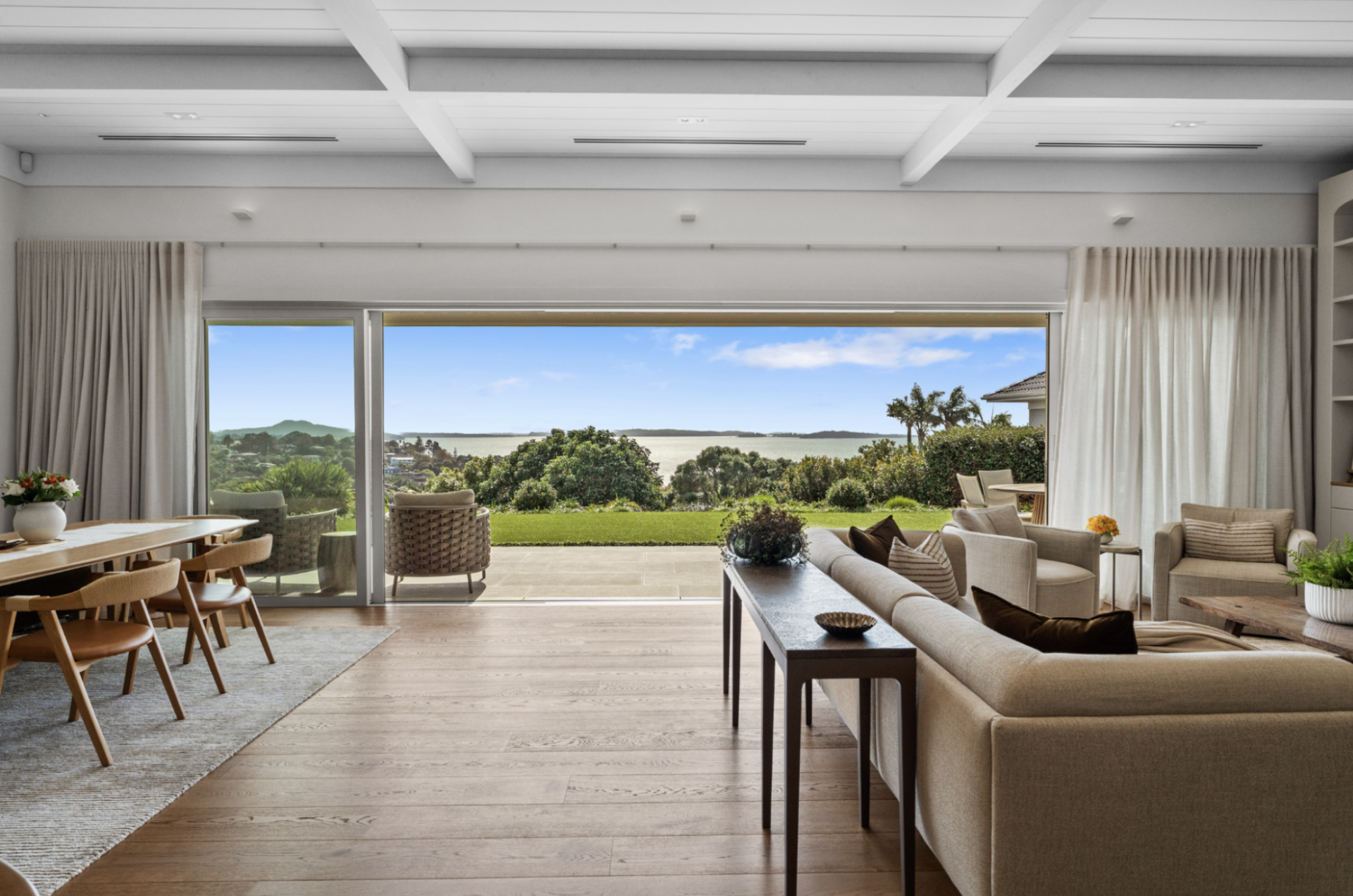
The Relationship Between Ceilings and Light
Ceilings play a crucial role in how light is experienced within a home. They reflect natural daylight, influence the distribution of artificial lighting and contribute to the overall ambience of a room.
Carefully considered lighting design can highlight architectural details, create visual interest and enhance the perception of height. Recessed lighting, feature pendants, concealed LED strips, and wall-washing techniques all interact with the ceiling to shape how a space feels after dark.
When lighting and ceiling design work together, the result is often subtle yet transformative.
Looking Up
The most successful interiors consider every surface as part of the overall design story, including those above us. While ceilings may not always command immediate attention, they have a profound influence on how a home feels and functions.
From height and proportion to texture, colour and light, the fifth wall offers an opportunity to add depth, character and atmosphere to a space. Sometimes, all it takes is looking up to discover the element that ties an entire interior together.