
THE ART OF CREATING ATMOSPHERE
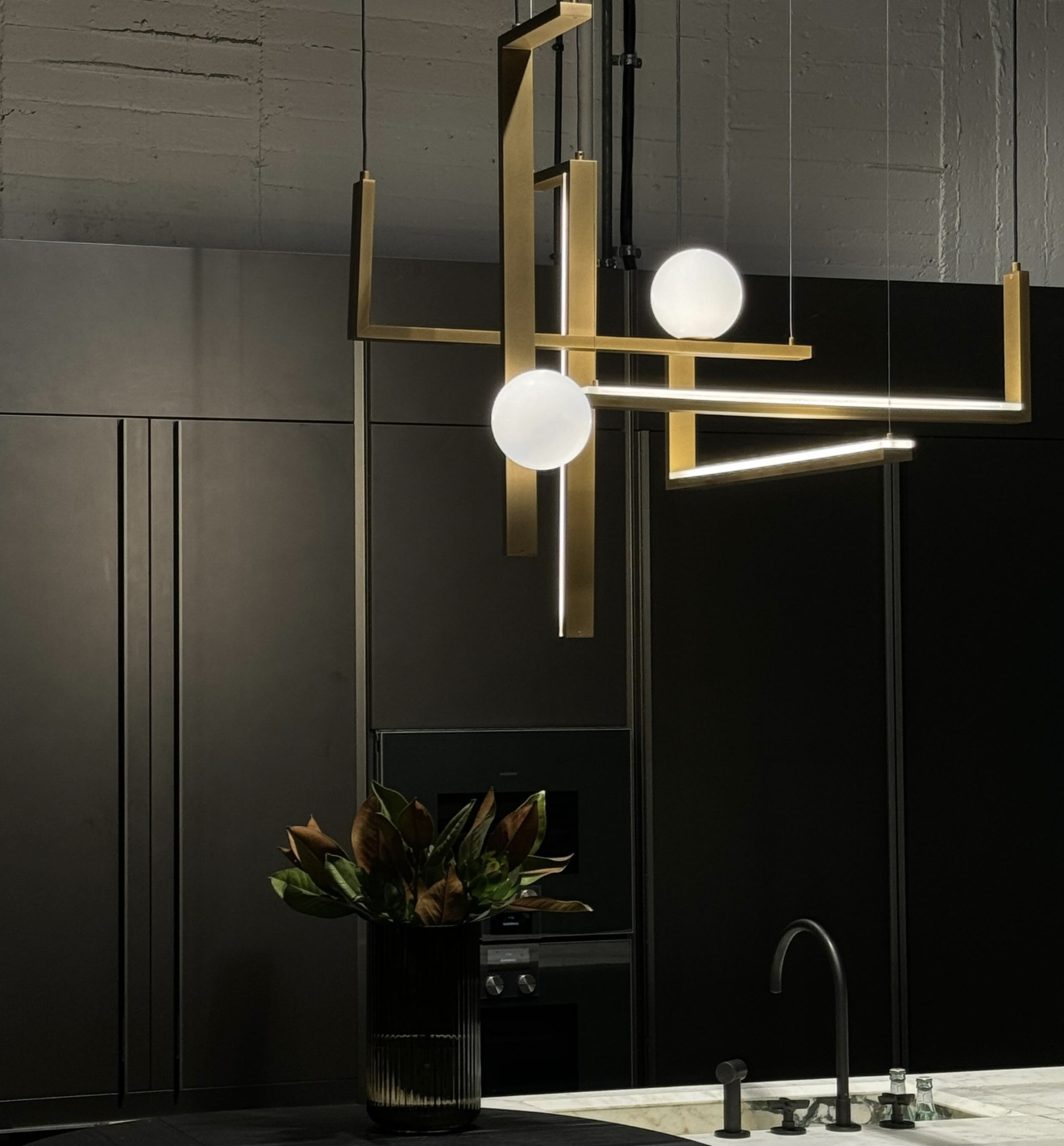
Atmosphere is one of the most powerful yet often overlooked elements of interior design. It's the quality that gives a space its character, shapes our experience within it, and influences the emotions we associate with it. While good design can make a home look beautiful, atmosphere is what makes it memorable. At SOJO Design, creating atmosphere is at the heart of everything we do.
What Is Atmosphere?
Atmosphere isn't a single design element. It's the result of many carefully considered decisions working together. Light, texture, scale, colour, materials, furniture placement, and even the amount of space left intentionally empty all contribute to the mood of an interior.
When these elements are balanced thoughtfully, they create a feeling that can't always be explained but is immediately experienced.
It's what makes a home feel calm rather than chaotic, inviting rather than intimidating, and luxurious rather than simply expensive.
It Starts with Feeling
Before selecting furniture or deciding on a colour palette, we often begin by considering how we want a space to feel.
Should it feel:
Warm and welcoming?
Sophisticated and refined?
Relaxed and effortless?
Every design decision that follows should support that vision. When there is a clear emotional direction, interiors naturally feel more cohesive because every element is working towards the same outcome.
The Role of Light
Few things influence atmosphere as dramatically as light. Natural light brings energy, softness, and movement to a space throughout the day. In the evening, layered lighting creates warmth and intimacy, transforming the mood entirely.
The most inviting interiors rarely rely on a single overhead light. Instead, they incorporate a combination of ambient, task, and accent lighting to create depth and flexibility. Light doesn't just illuminate a room. It shapes the way we experience it.
Texture Creates Depth
Atmosphere is often felt through texture as much as it is seen.
A wool rug underfoot, soft linen upholstery, natural timber finishes, and layered textiles all contribute to a sense of comfort and richness. These tactile elements soften a space and create visual depth, particularly within neutral interiors.
Without texture, even the most beautiful rooms can feel flat.
The Importance of Restraint
One of the most common misconceptions about creating atmosphere is that more is better, when in reality, atmosphere often comes from what is left out.
A carefully curated space with room to breathe feels calmer and more sophisticated than one filled with unnecessary furniture and accessories. Negative space allows the eye to rest and gives greater impact to the pieces that remain.
Designing Beyond Aesthetics
While visual appeal is important, atmosphere extends beyond what we see.
It's the way a room flows. The way natural light moves across a surface. The quiet comfort created by layered materials and thoughtful proportions. These subtle details shape how a space feels to live in every day.
When atmosphere is considered from the outset, interiors become more than just beautiful. They become meaningful.
Creating Spaces That Leave a Lasting Impression
At SOJO Design, whether we're designing a family home, styling a property for sale, or transforming a vacant space, we always strive to create an atmosphere that feels authentic, elevated, and memorable. Because while furniture and finishes may catch your eye, it's the atmosphere that stays with you.