
WABI-SABI VS MAXIMALISM: OPPOSITES THAT BOTH CELEBRATE IMPERFECTION
At first glance, Wabi-Sabi and Maximalism couldn’t be further apart. One is rooted in quiet restraint, earthy textures, and the beauty of imperfection; the other thrives on layered patterns, saturated colour, and curated excess. But if you look closer, these two design philosophies share an unexpected kinship: both reject the pursuit of sterile perfection and instead embrace the soulful charm of what’s real, lived-in, and human.
The Essence of Wabi-Sabi
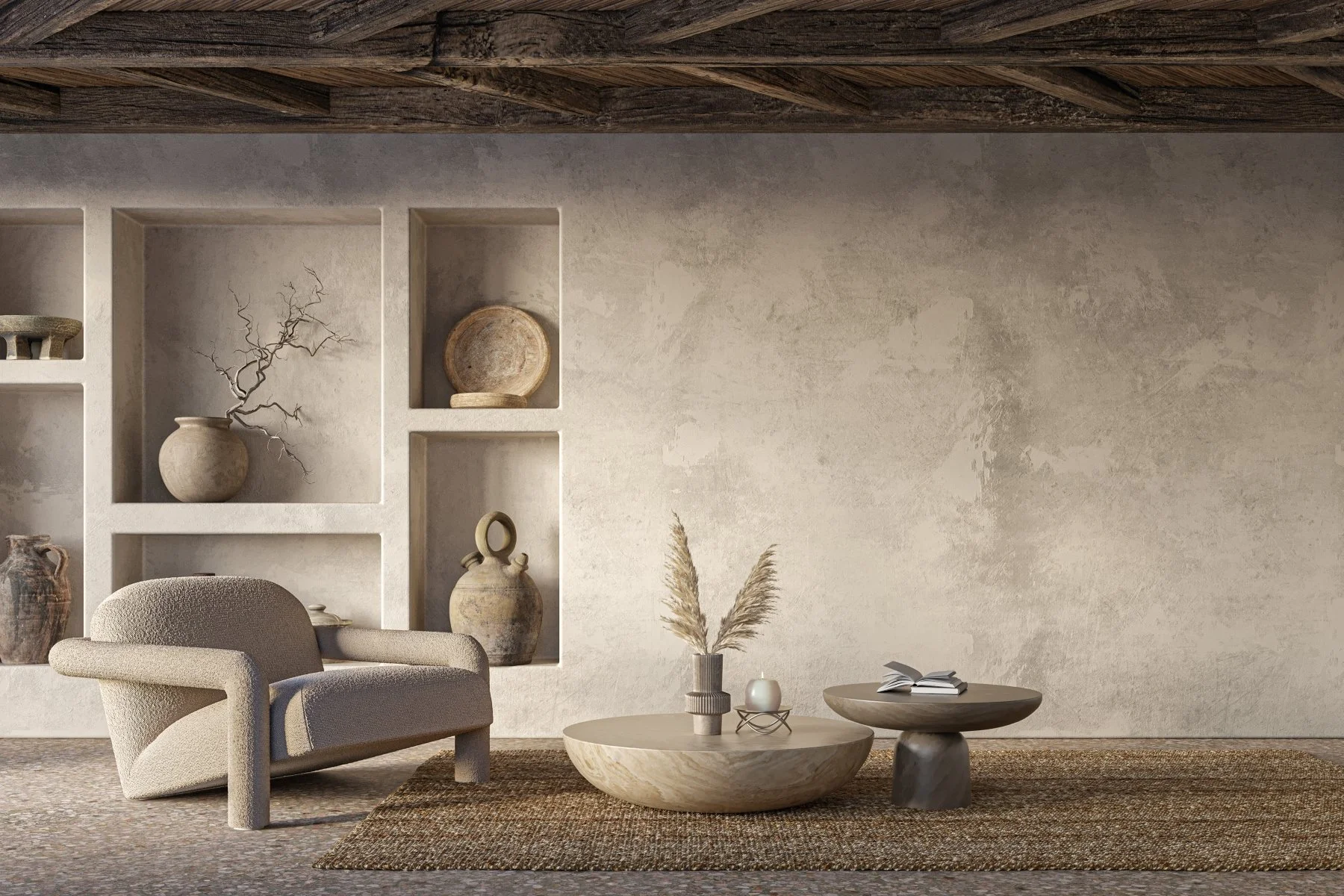
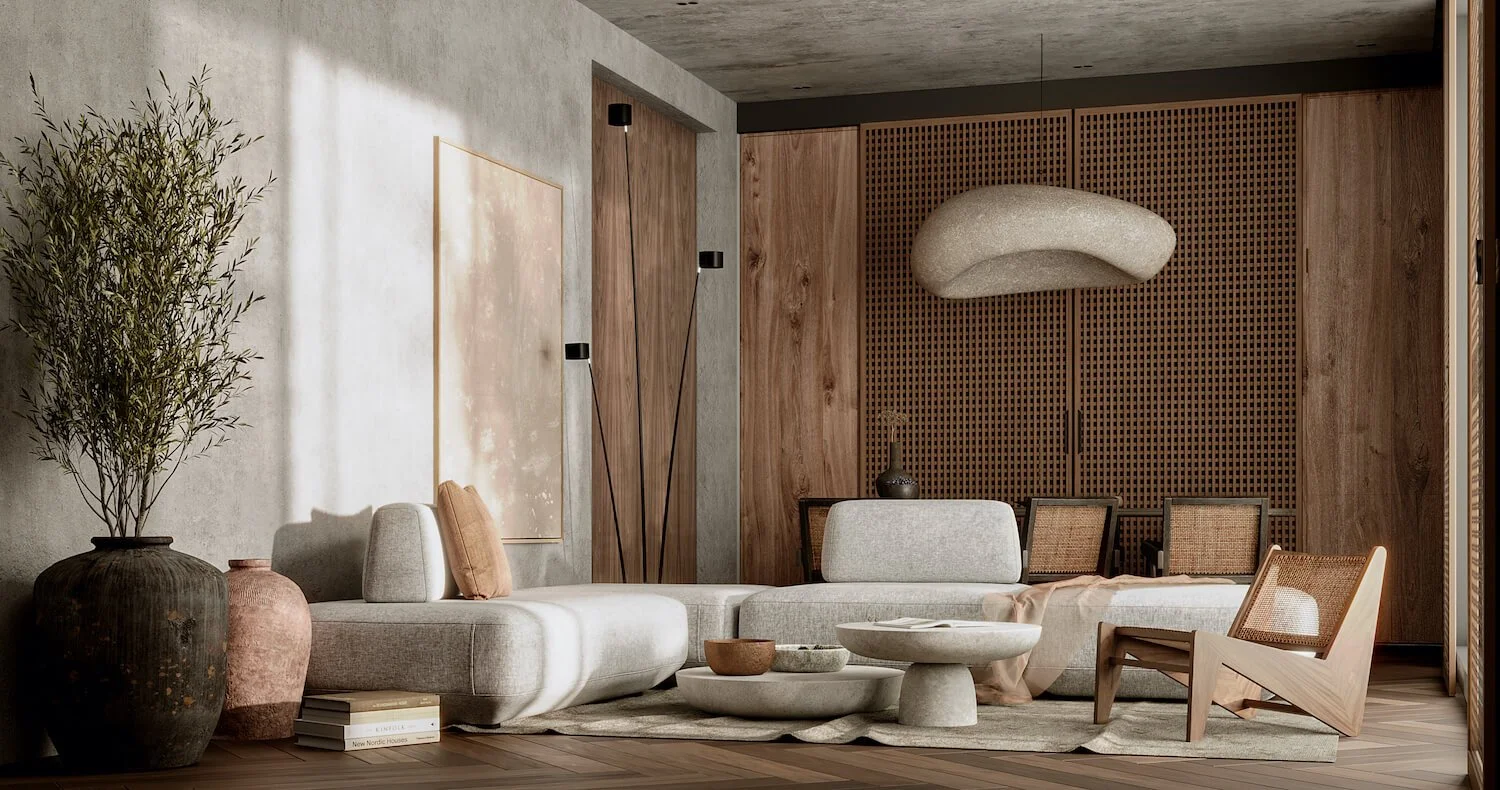
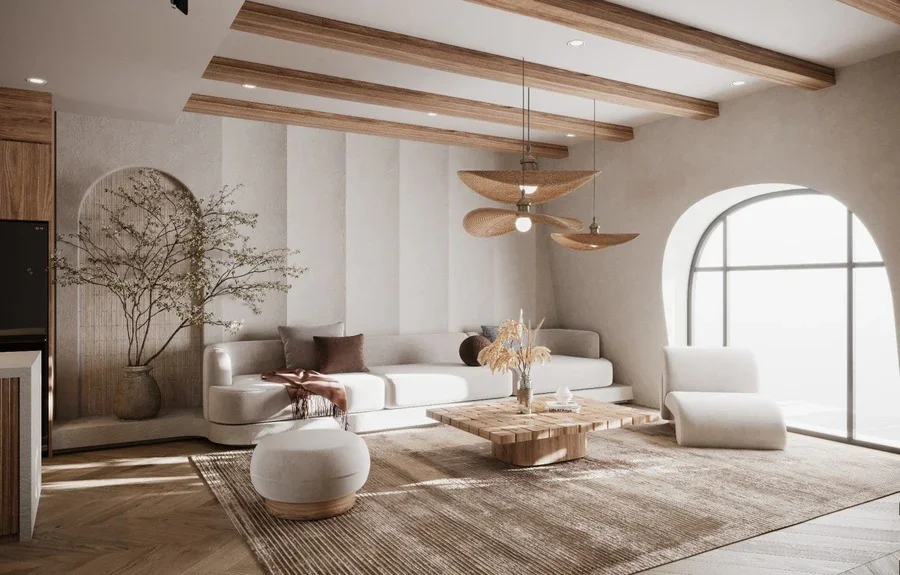
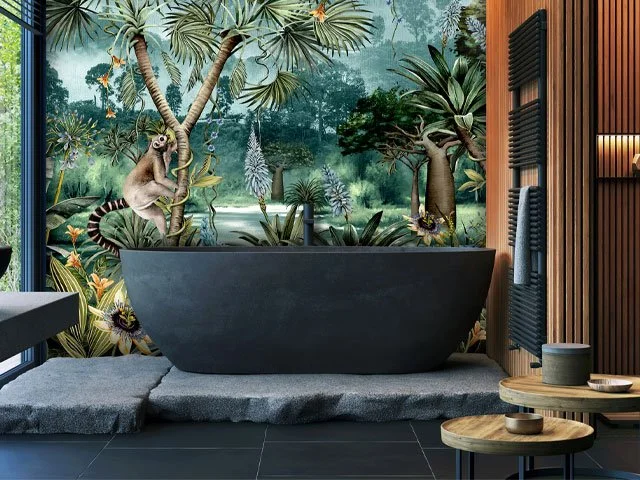
Wabi-Sabi finds poetry in the imperfect, impermanent, and incomplete. Think cracked ceramics, sun-faded linen, a knot in timber that tells a story. It values authenticity over gloss, and simplicity over status. Homes styled with Wabi-Sabi lean into natural textures, pared-back palettes, and empty space that allows objects to breathe.

The Spirit of Maximalism
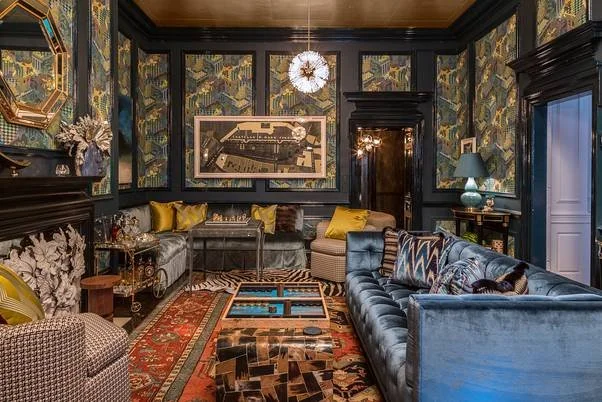
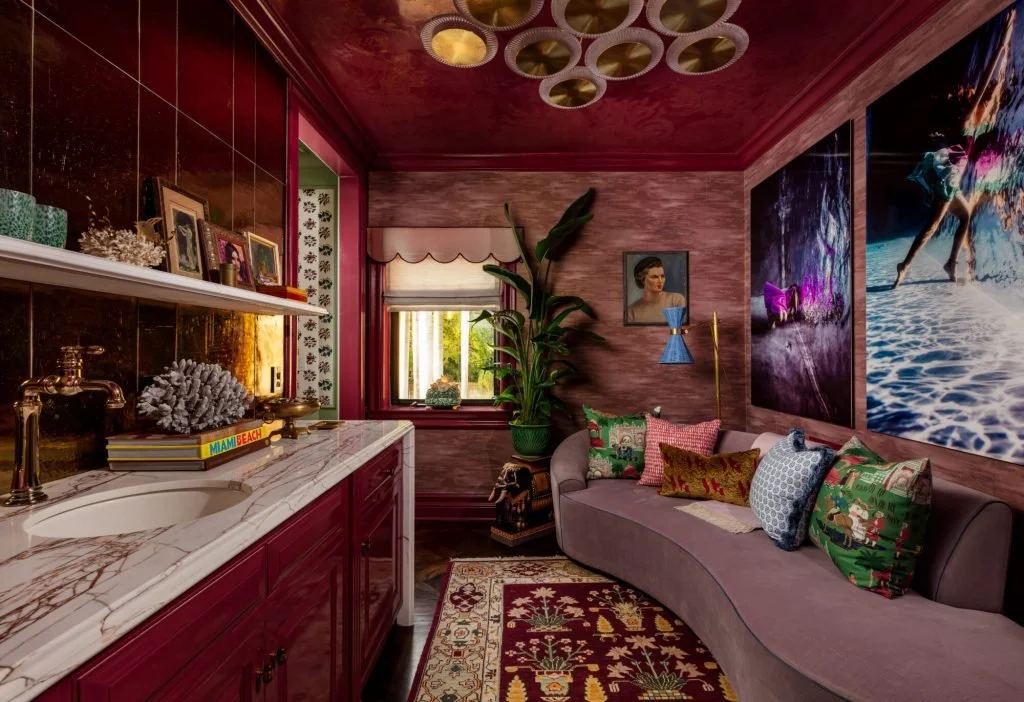
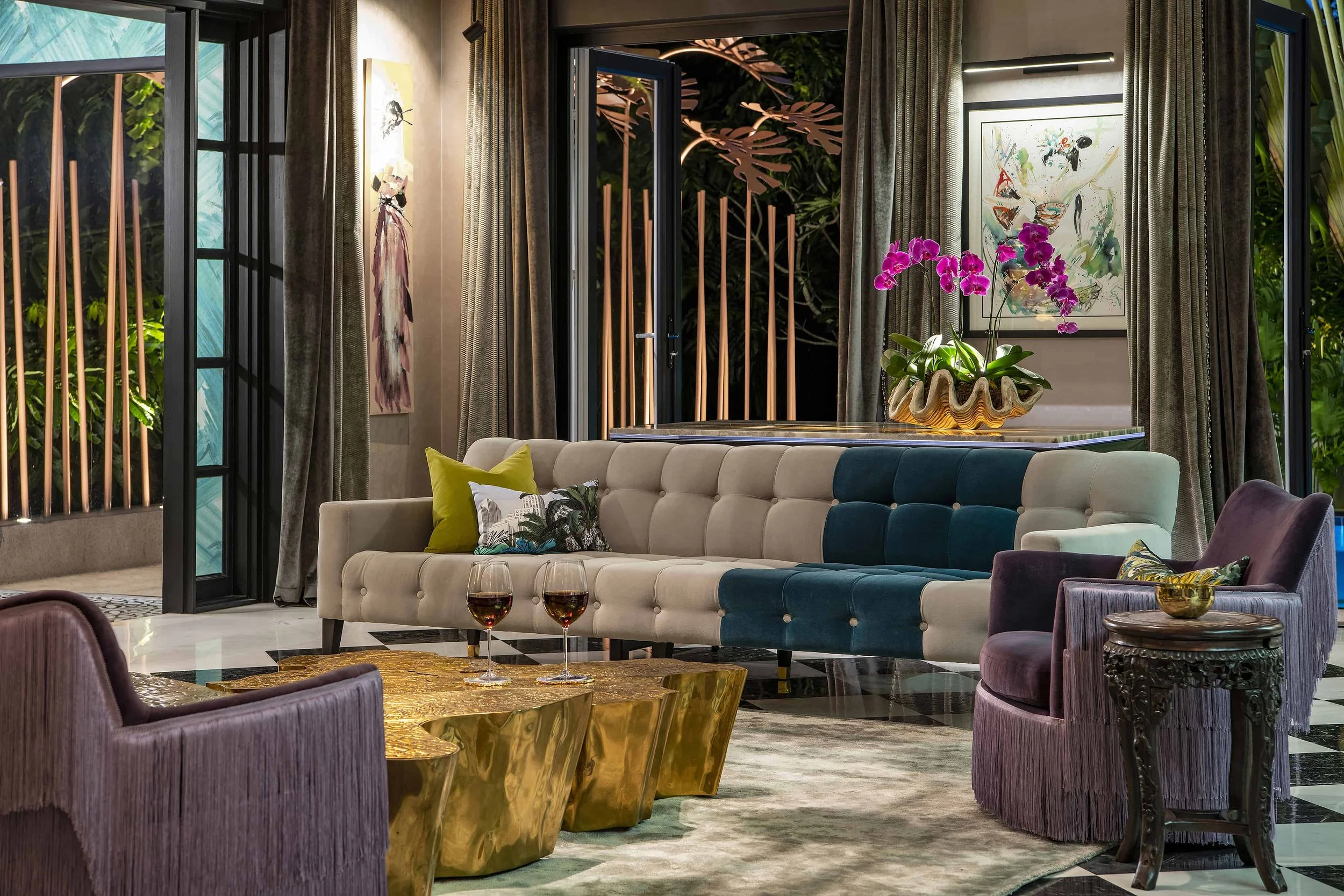
Maximalism, in contrast, leans boldly into “more is more.” It’s about abundance, storytelling through layers, and surrounding yourself with meaningful objects. A maximalist space might showcase vibrant wallpapers, eclectic art, and collections that build over time. Like Wabi-Sabi, it too rejects rigid perfection, letting mismatched patterns, clashing colours, and a joyful chaos create personality.
Where They Overlap
Though aesthetically different, both Wabi-Sabi and Maximalism are design languages of acceptance. Each allows the unfinished, the irregular, and the unexpected to shine. One whispers, the other shouts, but both create homes that feel alive because they reflect the people who live there.
Blending the Two
An intriguing approach is to weave both together: a Wabi-Sabi foundation of raw, honest materials paired with maximalist bursts of colour and layered storytelling. Imagine an earthy plaster wall behind a gallery of vibrant prints, or a linen sofa grounded by patterned cushions collected from travels. The tension between restraint and abundance can bring out the best in both.