
THE QUIET POWER OF RUGS: GROUNDING, ZONING AND STORYTELLING UNDERFOOT
In design conversations, rugs often get treated as accessories, the finishing touch you roll out after the “real work” is done. But in truth, a rug is never just decoration. It anchors, divides, softens, and narrates. Beneath our feet, rugs quietly orchestrate the way we move through and experience a space.
Grounding the Room
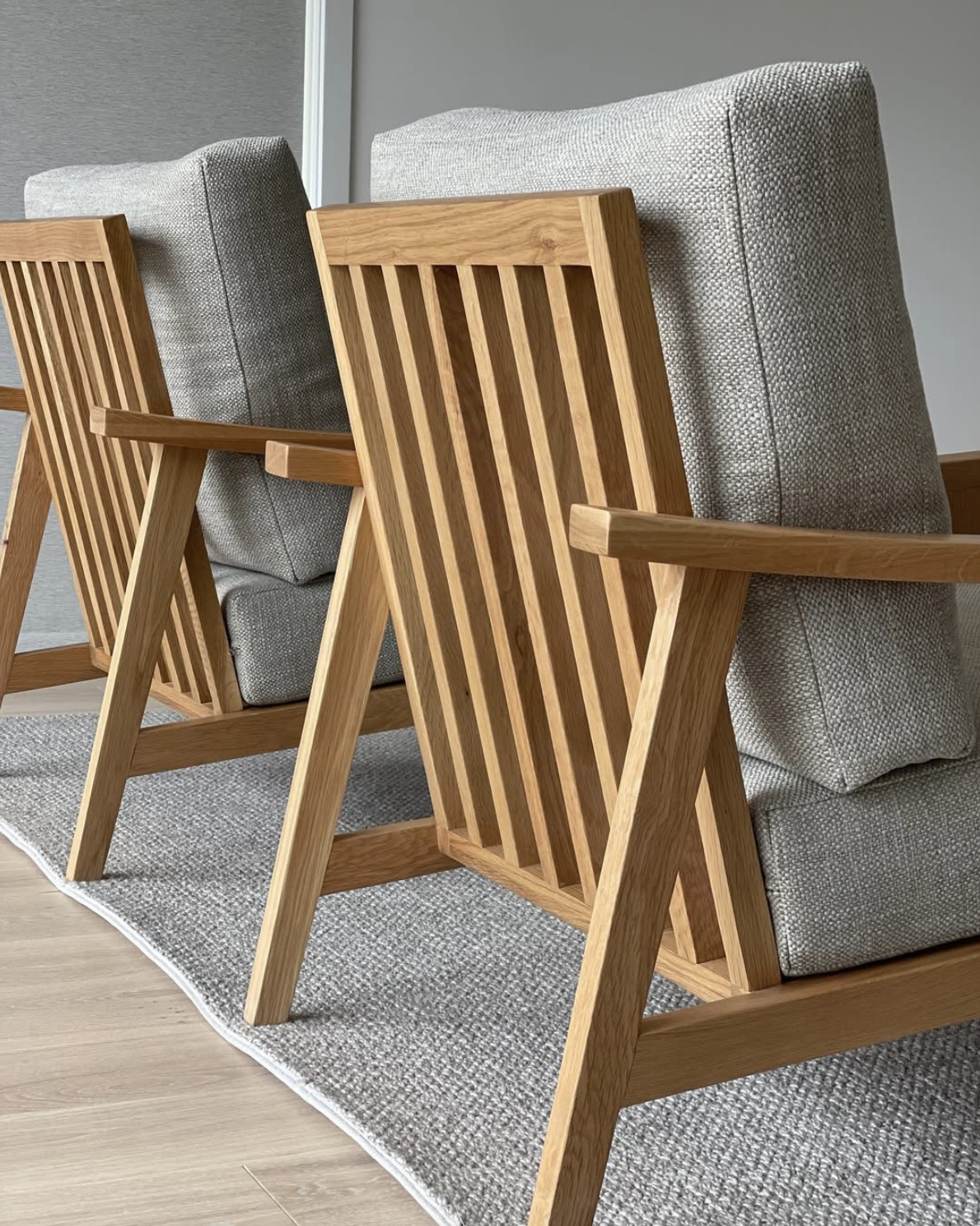
At their simplest, rugs ground us. A large living room with floating furniture can feel adrift until a rug pulls everything into cohesion. The right rug acts as a stage, uniting sofas, chairs, and tables into one visual composition. In bedrooms, a soft rug beside the bed creates a tactile moment of comfort, a grounding ritual at the start and end of the day.
Zoning Without Walls
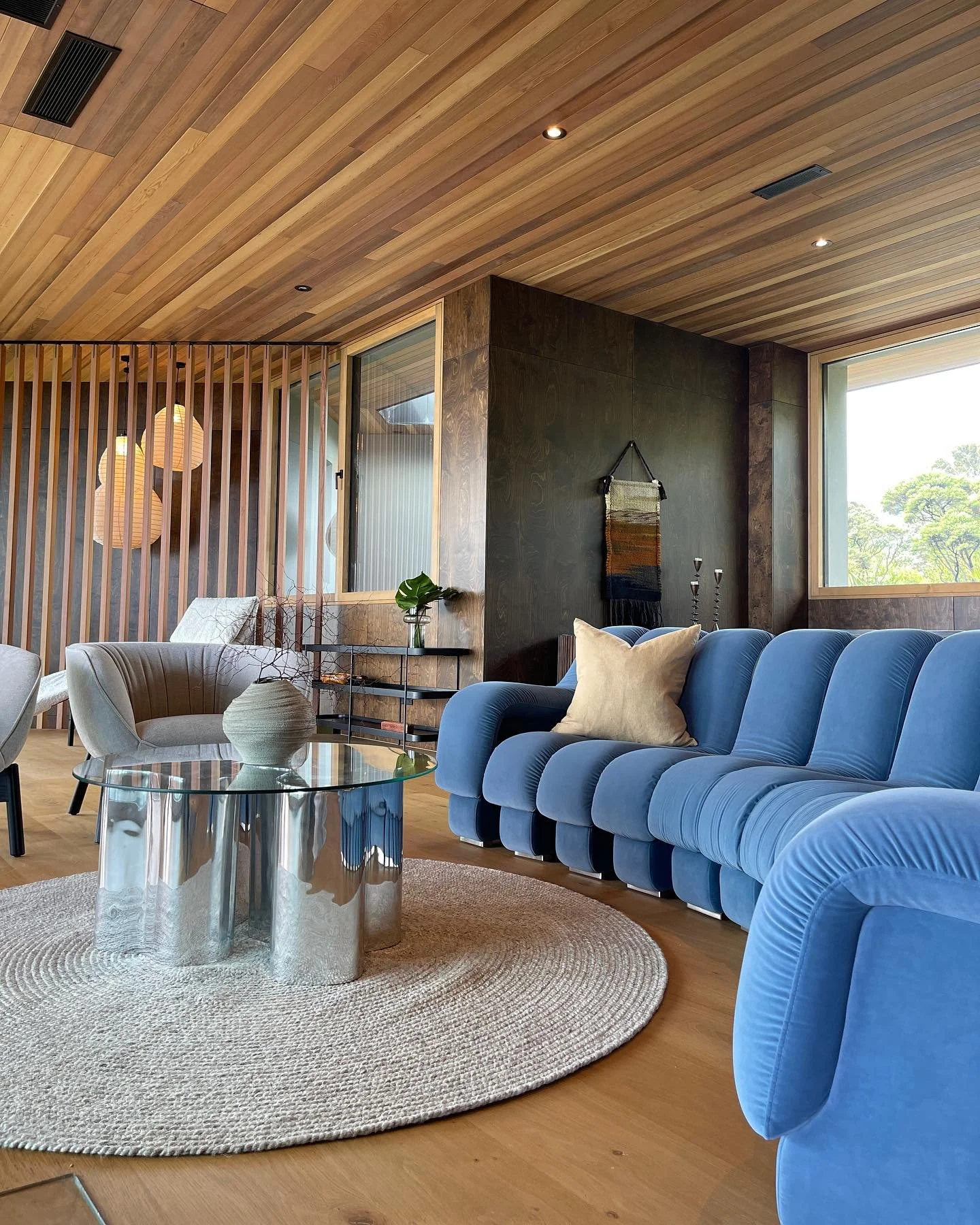
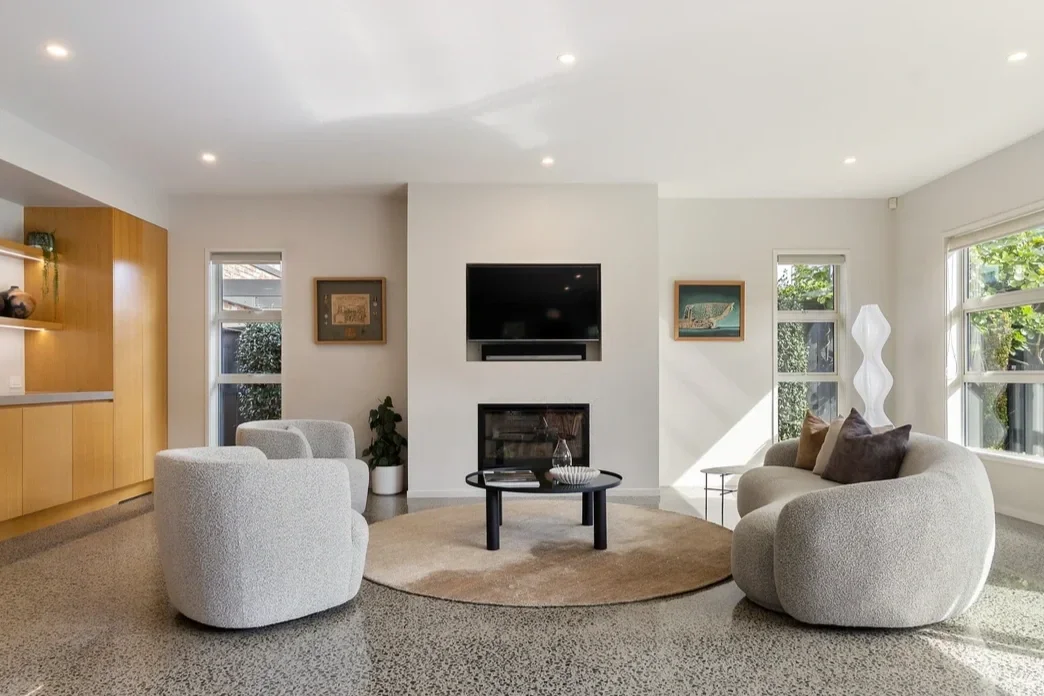
Open-plan layouts thrive on rugs. Instead of adding partitions, a rug defines zones: a dining space, a conversation nook, a workspace. By playing with size, shape, and placement, rugs mark territories without disrupting flow. They carve out invisible boundaries that help rooms feel organised while still airy and connected.
Storytelling Through Texture and Pattern
Every rug tells a story. A Persian rug carries centuries of craftsmanship, while a modern abstract rug reads like a piece of art underfoot. Texture adds its own language too: shag evokes retro comfort, jute whispers organic minimalism, wool blends radiate warmth. By choosing a rug, you choose a narrative for the room: quiet tradition, bold personality, or laid-back ease.
Sojo’s Final Thoughts:
The next time you’re styling a space, start with the rug rather than ending with it. Underfoot, rugs carry the quiet power to define, soften, and elevate interiors, reminding us that sometimes the most impactful design choices are the ones that stay closest to the ground.