
5 DESIGN MISTAKES & HOW TO AVOID THEM
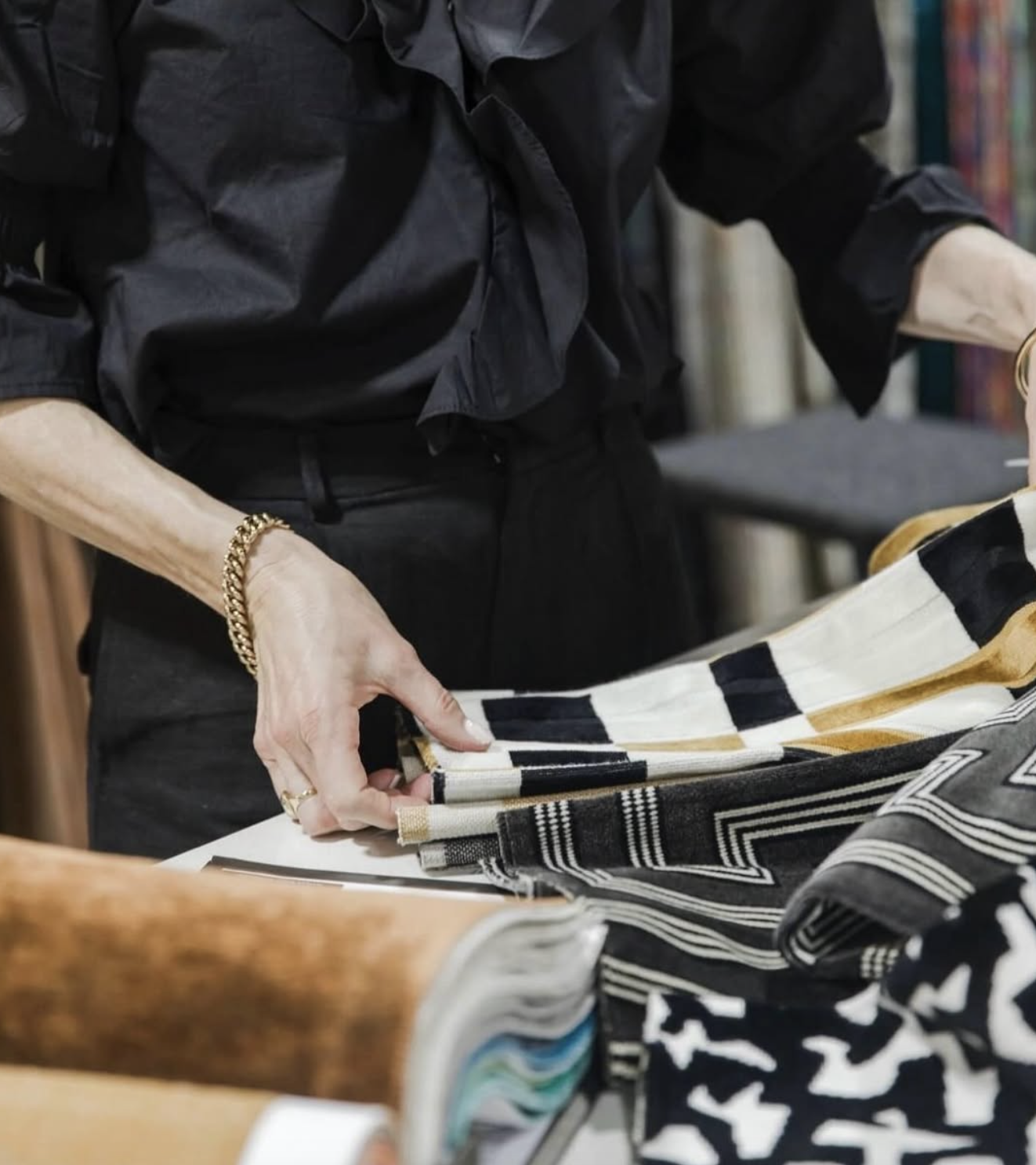
Creating a beautiful home isn't just about choosing pieces you love. The way furniture, lighting, colour, texture, and proportion work together can completely change how a space looks and feels.
At Sojo Design, we believe the most successful interiors balance aesthetics with functionality. Here are five common interior design mistakes we see and how to avoid them.
1. Choosing Furniture That's the Wrong Scale
One of the easiest mistakes to make is choosing furniture without considering the proportions of the room. An oversized sofa can overwhelm a smaller living space, while furniture that's too small can leave a large room feeling sparse and disconnected.
How to avoid it:
Measure your space before purchasing furniture
Consider the size of surrounding pieces
Allow enough room for comfortable circulation
Map out larger furniture before committing
Think about proportion, not just whether an item physically fits
The goal is to create a space that feels balanced, comfortable, and effortless to move through.
2. Overlooking the Importance of Lighting
Lighting can completely transform the atmosphere of an interior, yet it's often treated as an afterthought.
Relying on a single overhead light can leave a room feeling flat or overly bright. Instead, a considered lighting scheme should incorporate different sources throughout the space.
How to avoid it:
Layer ambient, task, and accent lighting using a combination of ceiling lights, pendants, wall lights, floor lamps, and table lamps. This creates depth while allowing the atmosphere of a room to change throughout the day.
3. Following Too Many Trends
Trends are a great source of inspiration, but incorporating too many can quickly date an interior.
How to avoid it:
Invest in timeless foundations for larger pieces such as sofas, dining tables, flooring, cabinetry, and window treatments. Introduce trends through smaller elements like cushions, artwork, accessories, and decorative pieces that can easily be changed over time.
A timeless home doesn't need to be boring. It's about creating a strong foundation and layering personality on top.
4. Forgetting About Texture
A neutral colour palette can be beautiful, but without variation in texture, it can sometimes feel flat or unfinished.
Texture introduces warmth, contrast, and visual interest without requiring lots of colour.
How to avoid it:
Consider layering materials such as:
Timber
Linen
Wool
Stone
Bouclé
Glass
Metal
Natural fibres
Even subtle differences in finishes can create depth and make a space feel more considered.
5. Designing Each Room in Isolation
Your rooms don't need to look identical, but there should be a sense of connection as you move through the home.
Using completely different colours, finishes, and styles in every room can make an interior feel disjointed.
How to avoid it:
Establish a consistent design language throughout your home. Repeating certain colours, materials, timber tones, shapes, or finishes creates visual flow while still allowing each room to have its own personality.
The result is a home that feels intentional and cohesive rather than a collection of separate spaces.
Creating a Home That Feels Considered
Good interior design is often less about adding more and more about making the right decisions. We take a considered approach to every project, balancing proportion, functionality, materials, lighting, and styling to create spaces that feel cohesive and personal.
Whether you're renovating, building, furnishing, or simply refreshing your existing home, thoughtful planning from the beginning can help avoid costly mistakes and create an interior you'll love for years to come.