
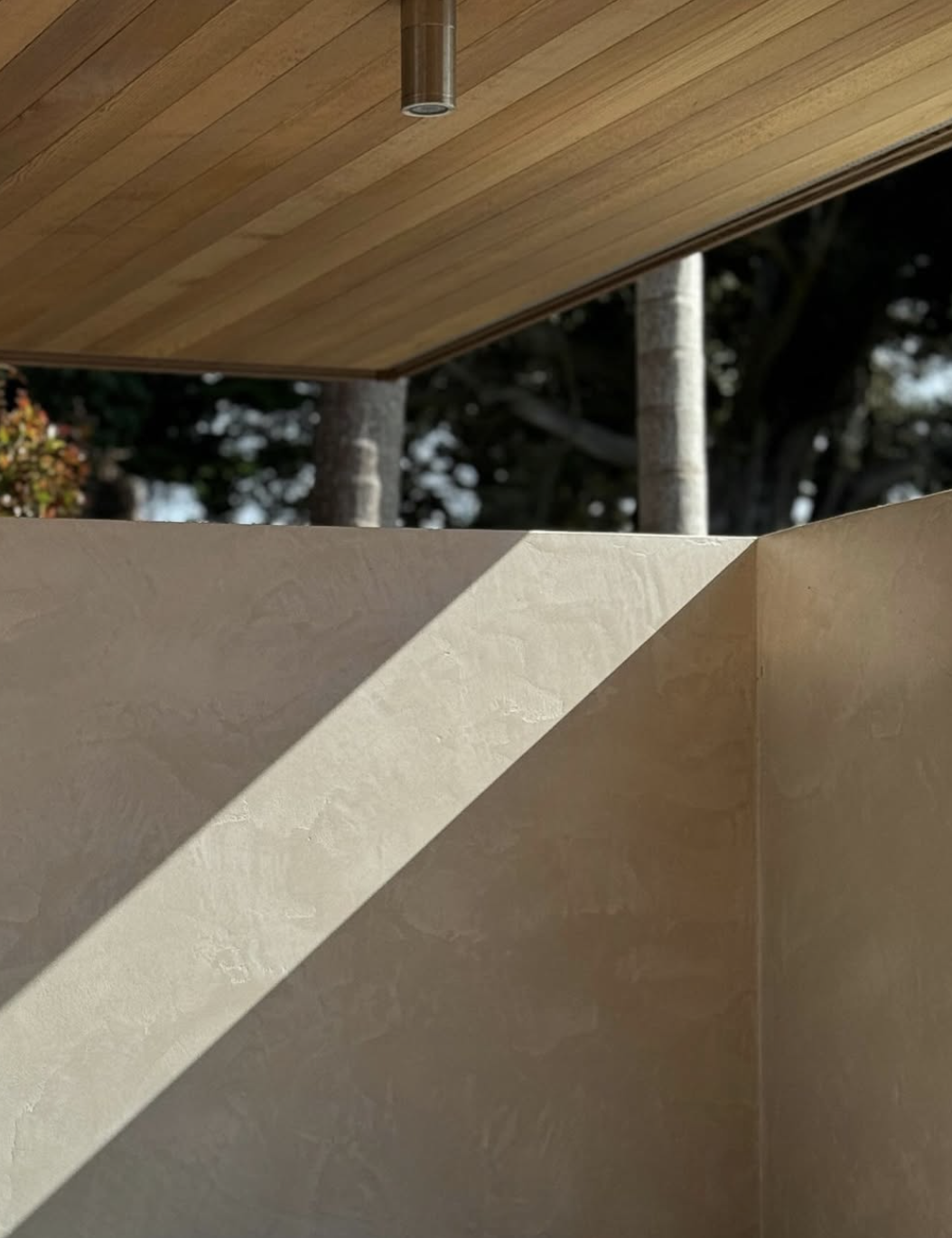
When we think about creating beautiful interiors, light often takes centre stage. We talk about natural light, statement lighting, and bright, airy spaces. Yet some of the most compelling interiors are not defined by light alone, but by the shadows that accompany it.
Shadow is what gives a space depth, atmosphere and dimension. It softens, reveals and conceals. It creates contrast, highlights texture and allows architectural features to be appreciated in a more nuanced way. Without shadow, even the most thoughtfully designed room can feel flat.
Great design is not simply about bringing light into a space. It is about understanding the relationship between light and shadow, and how the two work together to shape the way a home feels.
The Beauty of Contrast
A room flooded with uniform light can feel stark and one-dimensional, while a space with varying levels of light and shadow feels layered and alive. Shadows help define edges, emphasise form and create moments of visual intrigue. They draw attention to architectural details, accentuate curves and add a sense of depth that cannot be achieved through materials alone.
It's often the interplay between light and darkness that makes a room feel truly memorable.
Revealing Texture and Materiality
Shadow has a unique ability to bring materials to life.
Natural stone, timber grain, limewash finishes, textured plaster and woven textiles all interact differently with light throughout the day. As sunlight shifts across a surface, subtle shadows emerge, highlighting the depth and character that might otherwise go unnoticed.
This is one of the reasons natural materials feel so rich and engaging. Their imperfections catch the light in different ways, creating movement and visual interest that changes over time.
Designing for Atmosphere
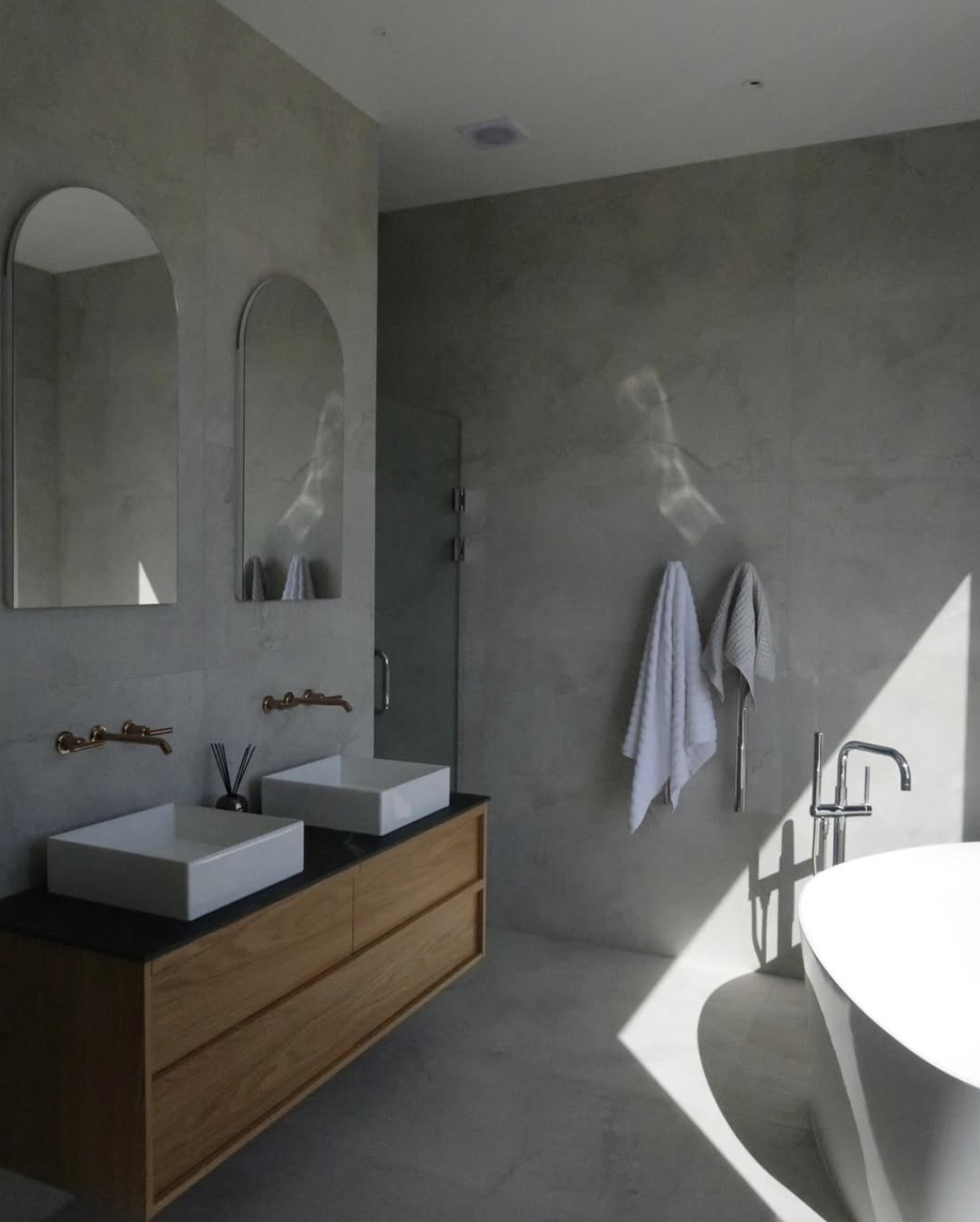
The most inviting interiors rarely feel uniformly bright. Instead, they contain areas of softness and contrast that contribute to a more comfortable and relaxed environment.
Shadow creates a sense of intimacy. It allows certain spaces to feel calm and sheltered, while encouraging the eye to move naturally throughout a room. Carefully considered lighting design often embraces this principle, using layers of light to create mood rather than simply illuminate every corner.
In many ways, atmosphere is created not by how much light a space contains, but by how thoughtfully it is distributed.
Architecture Through Light and Shadow
Some architectural features are best appreciated through the shadows they cast.
A recessed wall, curved archway, timber batten detail or textured surface gains greater presence when light interacts with it. These changing patterns create a sense of rhythm and movement throughout the day, making a home feel dynamic rather than static.
This relationship between architecture and light is what gives many contemporary homes their sense of depth and sophistication.
The Influence of Time
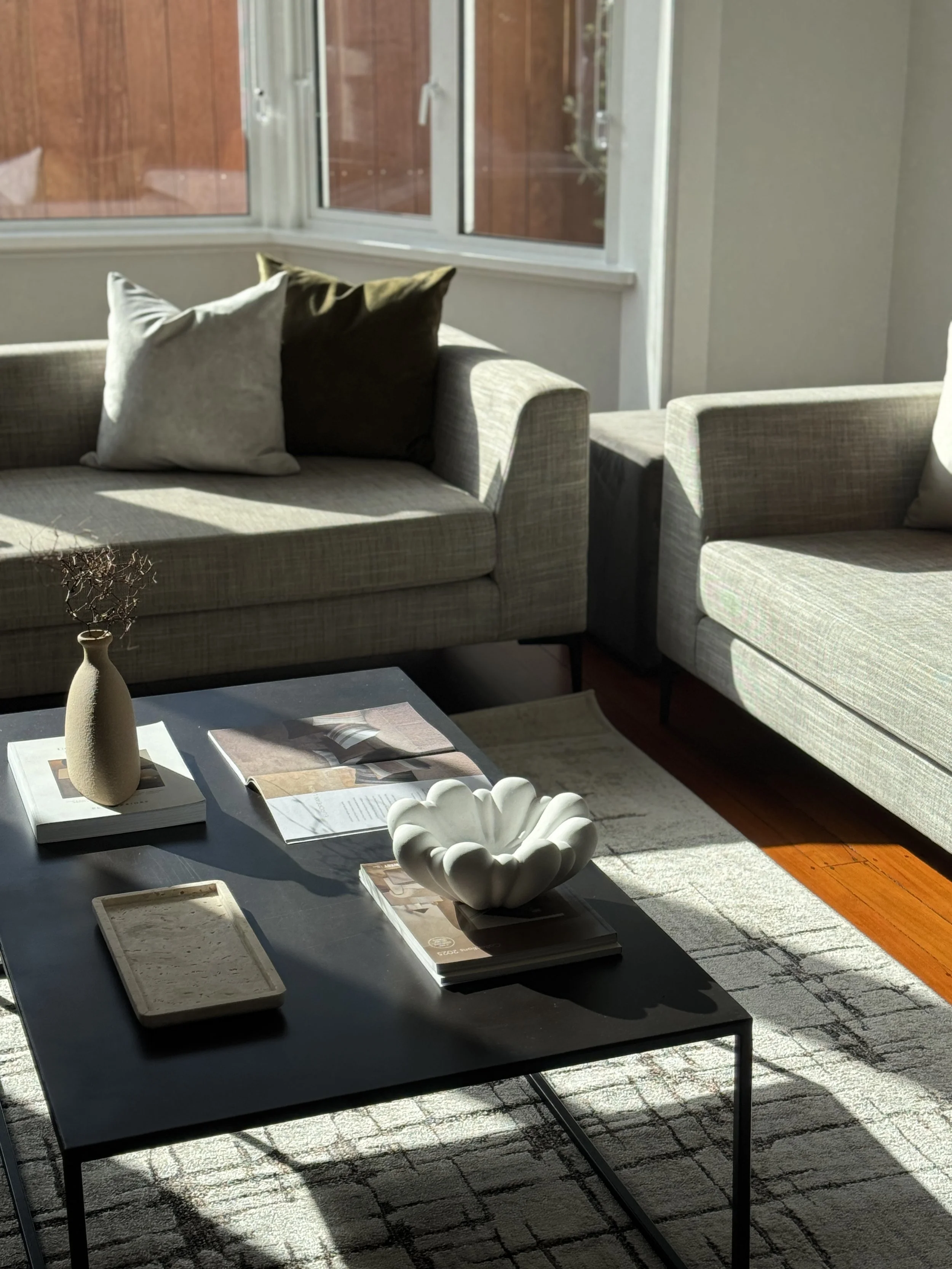
One of the most beautiful qualities of shadow is its ability to reflect the passing of time.
Morning light may create long, gentle shadows across a floor, while the afternoon sun introduces warmth and contrast. As daylight shifts, spaces evolve, revealing different moods and perspectives.
This constant change adds another layer to the experience of a home, reminding us that interiors are not fixed environments but living spaces that respond to their surroundings.
Embracing the Shadows
In a world that often celebrates brightness, shadow can sometimes be overlooked. Yet it is an essential element of good design.
Shadow provides balance, depth and atmosphere. It highlights texture, enhances architecture and creates the contrast that allows beautiful interiors to truly come to life.
The most compelling spaces understand that light is only part of the story. It is the conversation between light and shadow that creates richness, emotion and a lasting sense of place.