
DESIGNING THROUGH DETAILS: WHY SMALL ELEMENTS MATTER MOST
Great design is rarely defined by one standout piece. More often, it’s the accumulation of small, thoughtful decisions that shape how a space feels. The details you almost don’t notice at first, but would immediately miss if they weren’t there.
At Sojo, we see detail as the foundation of a well-resolved interior. It’s what transforms a space from simply styled into something considered, layered and complete.
What Does “Designing Through Detail” Mean?
Designing through detail is about looking beyond the obvious. It’s not just the furniture layout or colour palette, but the finer elements, the joinery profile, the edge of a handle, the texture of a surface, the way materials meet.
These are the decisions that bring cohesion to a space. Without them, even the most beautiful pieces can feel disconnected.

Where Detail Makes the Difference
Joinery & Finishes:
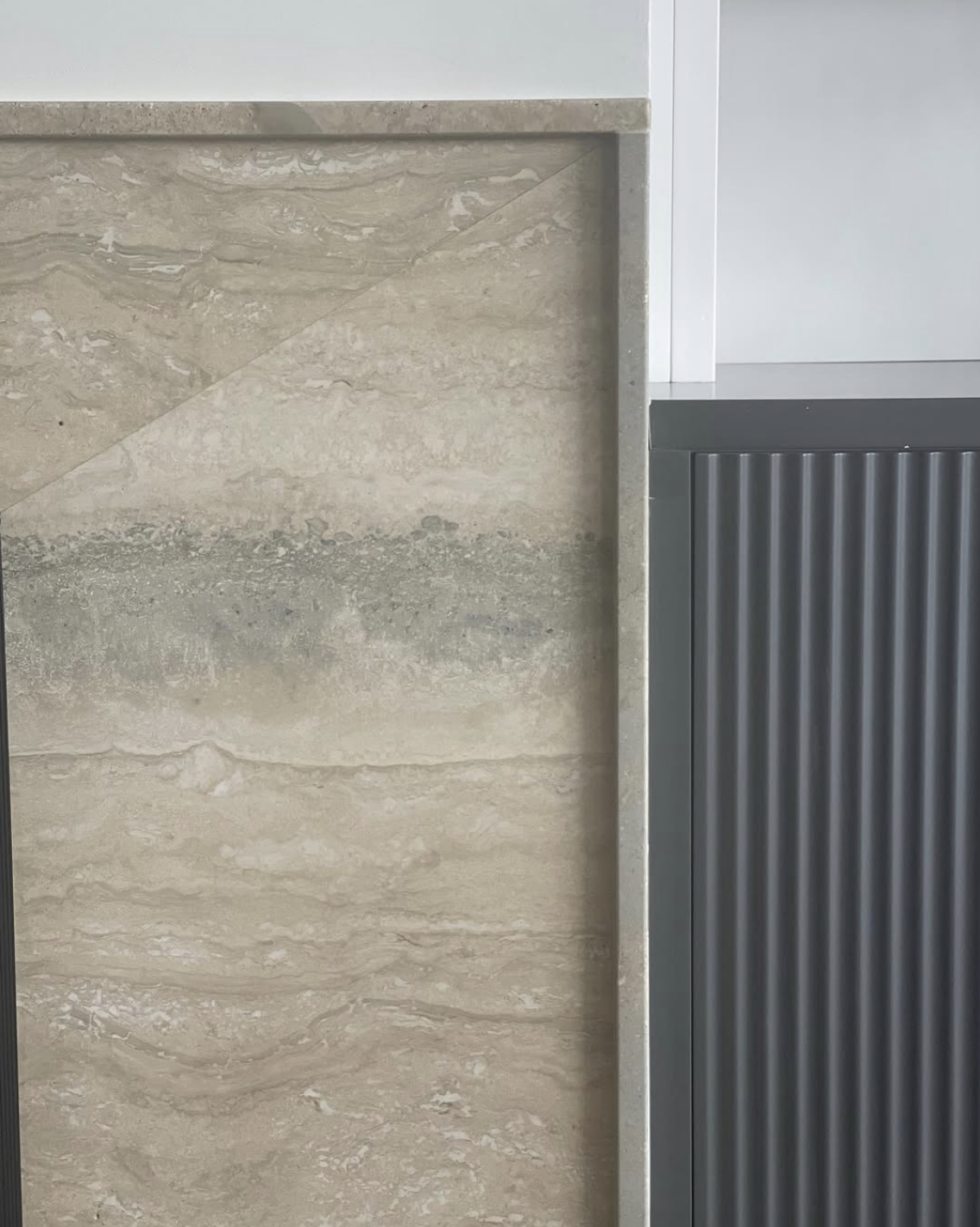
Fluted timber, soft matte surfaces, and clean edges; these subtle details add depth without overwhelming the space. They introduce texture in a refined, architectural way.
Hardware & Fixtures:
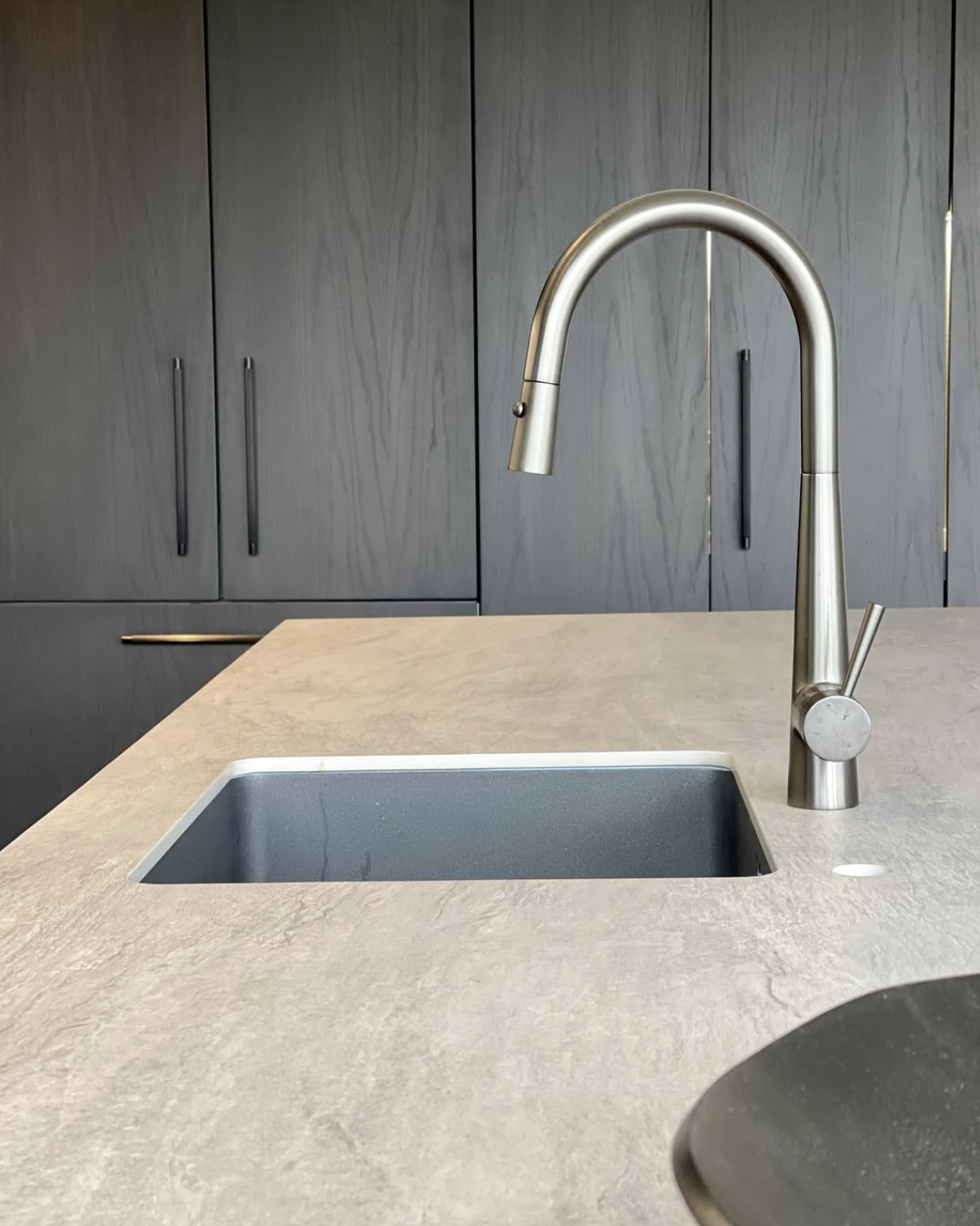
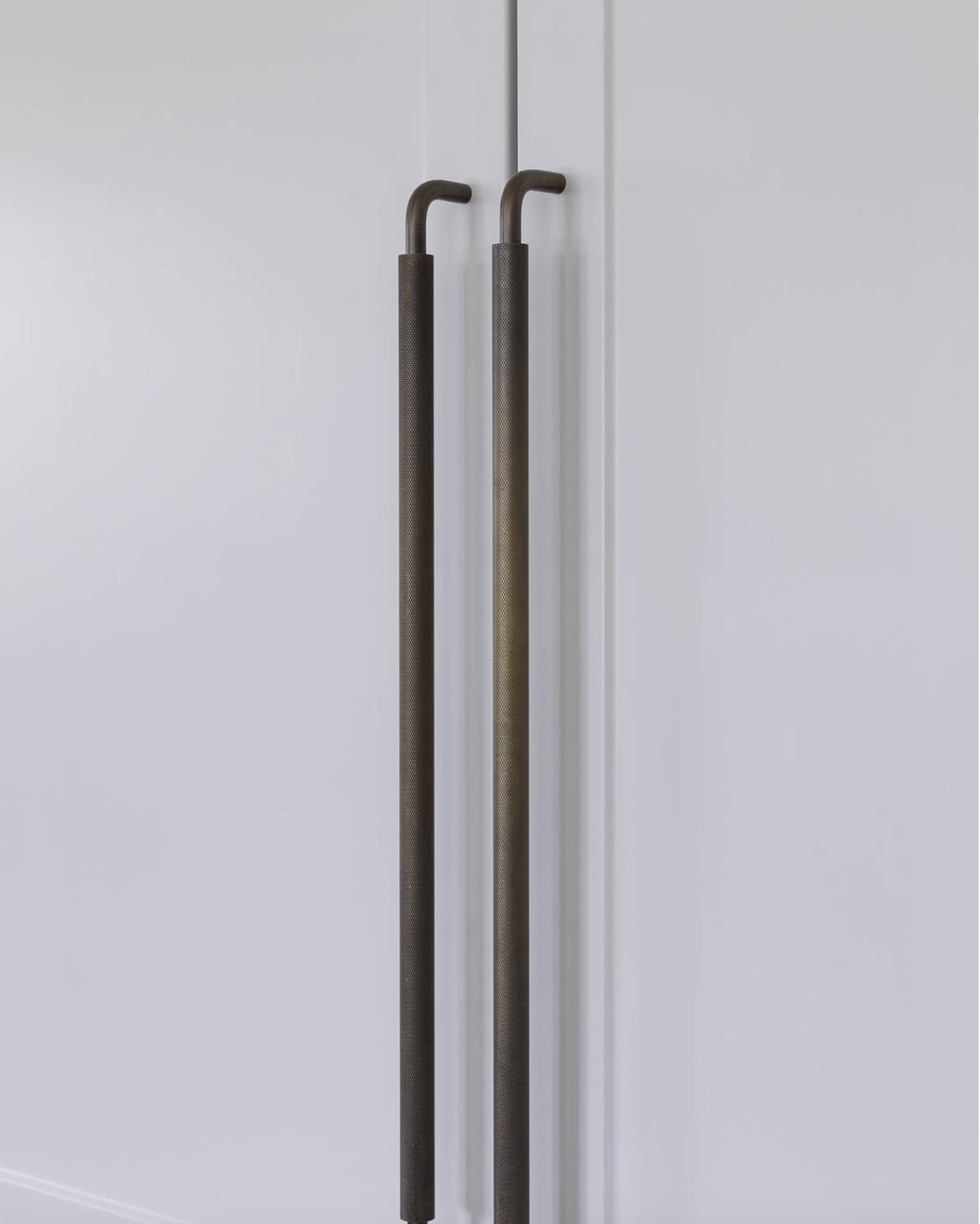
Handles, tapware, and small fittings often go unnoticed, but they quietly define the overall feel. A considered finish can shift a space from standard to elevated.
Material Transitions:
How materials meet matters. Timber against stone, soft textiles against structured forms, these intersections create visual interest and balance.
Styling Choices:
Even the smallest objects play a role. A simple ceramic vessel, a sculptural lamp, and restraint in styling allow each piece to feel intentional.
Why Less Detail Isn’t the Goal, Better Detail Is
There’s often a misconception that minimal spaces lack detail. In reality, they rely on it even more.
When a space is pared back, every element carries weight. There’s nothing to hide behind, so each finish, texture and proportion needs to be carefully considered. This is where thoughtful detailing becomes essential.
Designing with Restraint
Designing through detail doesn’t mean adding more. It means choosing carefully.
Focus on fewer, well-resolved elements
Let materials speak for themselves
Avoid over-layering or unnecessary decoration
Allow negative space to highlight what’s there
Restraint creates clarity, and clarity allows the details to stand out.
The Sojo Perspective
In both interior design and home staging, detail is what shapes perception. It’s what makes a space feel finished, refined and quietly luxurious.
For staging in particular, these small decisions can influence how a buyer experiences a home. Subtle textures, cohesive finishes and intentional styling create an emotional connection without overwhelming the space.